In an era of dramatic geopolitical change and increasing multipolarism, the European Union’s approach to international partnerships is shifting towards a new model. The goal, at least on paper, is to pursue the Union’s strategic interests while simultaneously delivering genuine development, mutual benefits and added value for its partners – against a backdrop of shared rules and accountability.
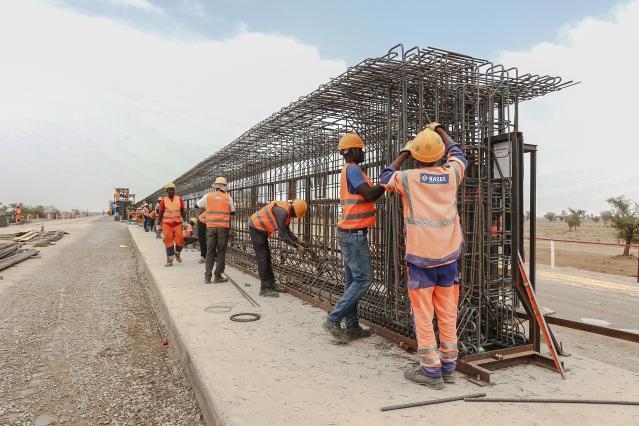
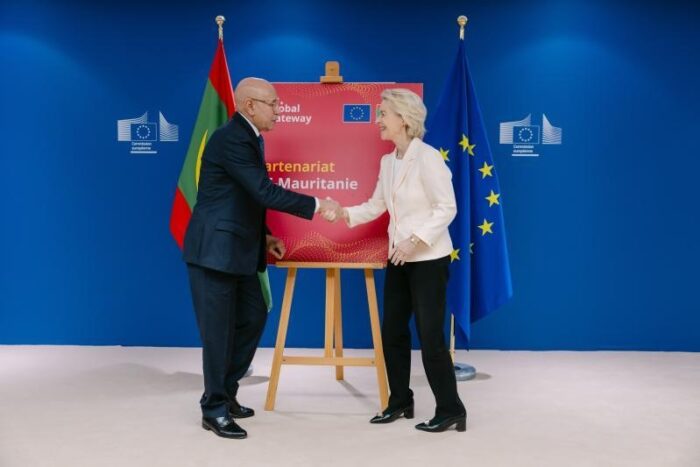
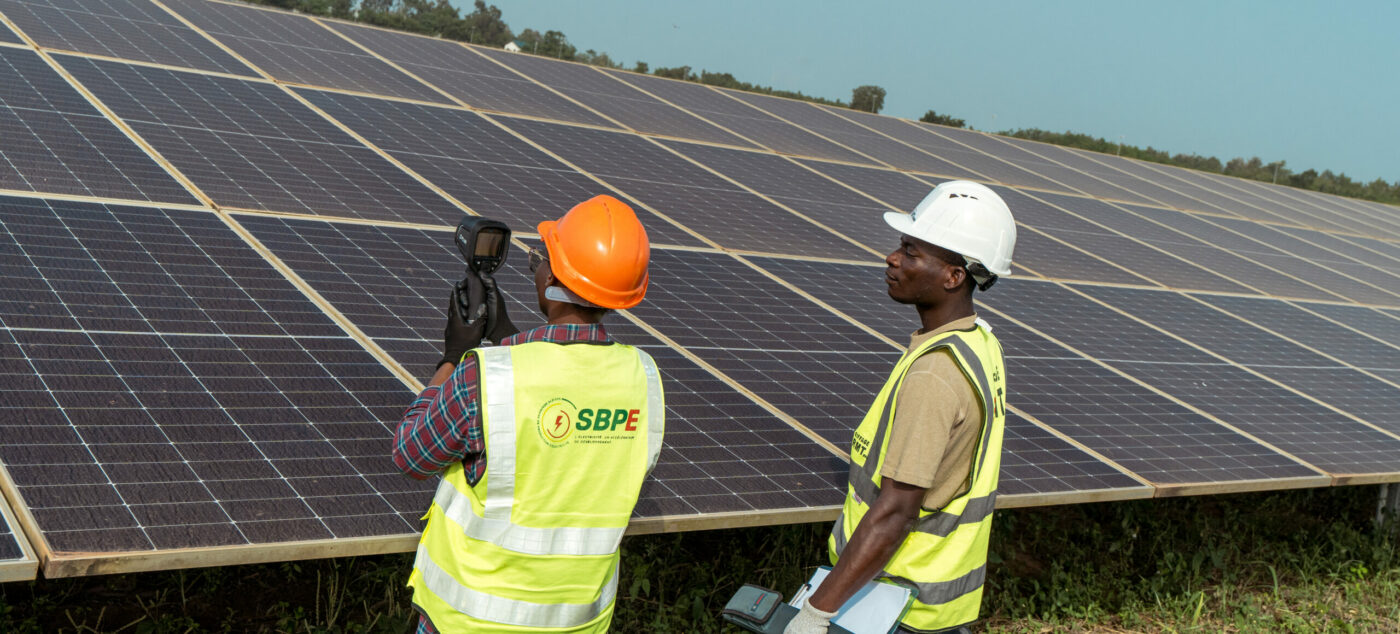
The Global Gateway initiative serves as the EU’s flagship for this ambition. However, the Union’s actual capability to move beyond the dynamics of mercantilism, extractivism and transactionalism remains to be proven. As significant economic and political asymmetries between partners persist, so does the fundamental tension between the scope of grand EU projects and their tangible benefits for local communities.
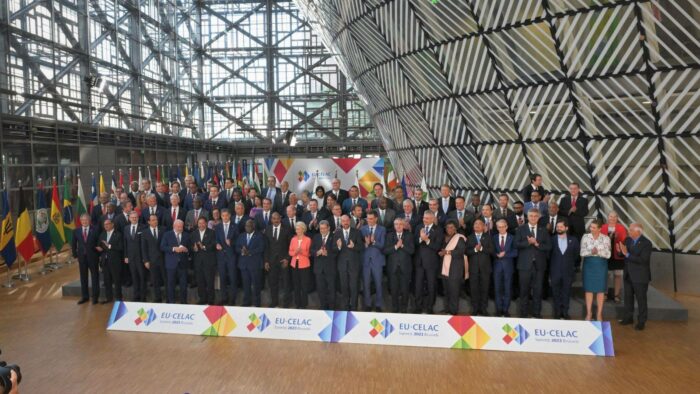
In this dossier, we assess these recent developments, with a particular focus on the EU’s evolving relations with Africa and Latin America, and ask: can the EU prevent its own interests from capturing development objectives? And what other obstacles stand in the way of achieving truly balanced and mutually beneficial partnerships?