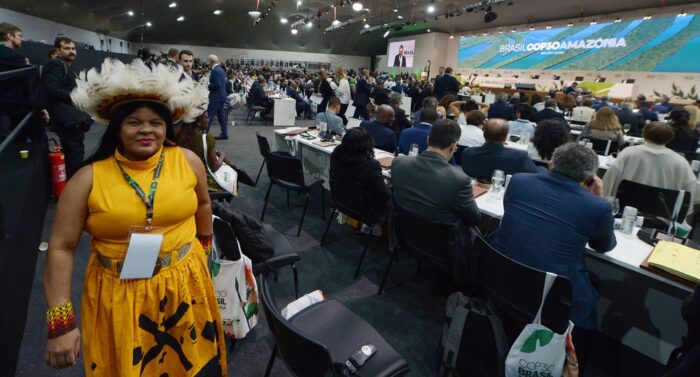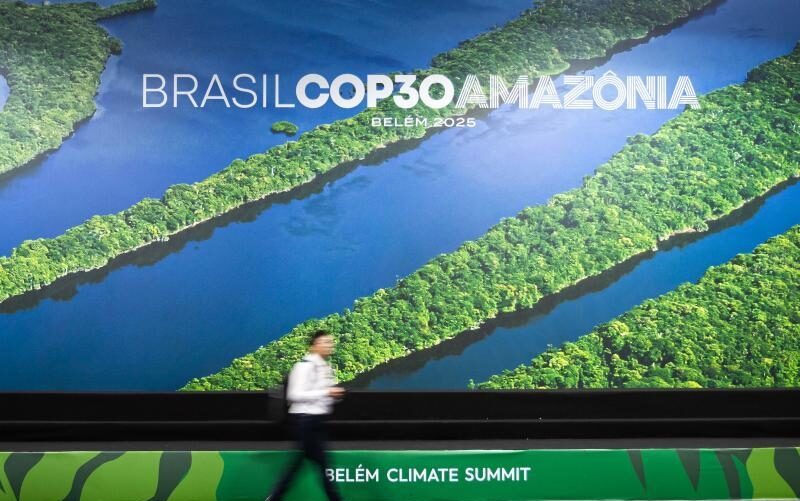
This November, COP30 took place in Belém, Brazil – symbolically at the edge of the Amazon, and against a complex backdrop of international geopolitical and trade tensions, the withdrawal of the US from the Paris Agreement, and a glaring gap in ambition and implementation in the Nationally Determined Contributions (NDCs) submitted by countries this year.
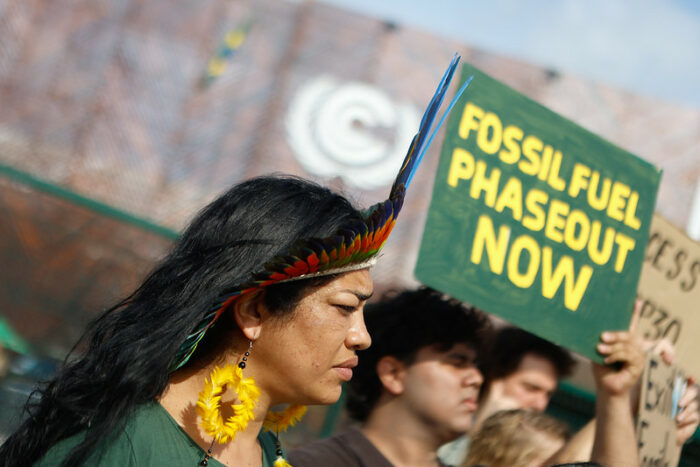
While the expectations were high and Brazil’s progressive leadership attempted to foster a consensus by introducing the concept of mutirão (joint effort), the main culprit of CO2 emissions and hence, of the climate crisis – fossil fuels – was deliberately overlooked. It was, writes one of the authors of this week’s dossier, as if a global lung cancer prevention conference never mentions tobacco.
The ‘Global Mutirão’ decision fell short of ensuring a fossil fuel phase-out, but, instead, focused on increasing contribution to adaptation finance. Even though COP meetings remain essential for maintaining a multilateral dialogue and engagement on climate, the climate crisis urges us to look beyond them. There are over 80 countries ready to discuss a concrete and just roadmap to phase out fossil fuels. To move forward, the EU should forge durable coalitions with climate-vulnerable countries, African partners, progressive Latin American states, Oceania and climate-ambitious Asian economies.
Photo credits: European Union, 2025