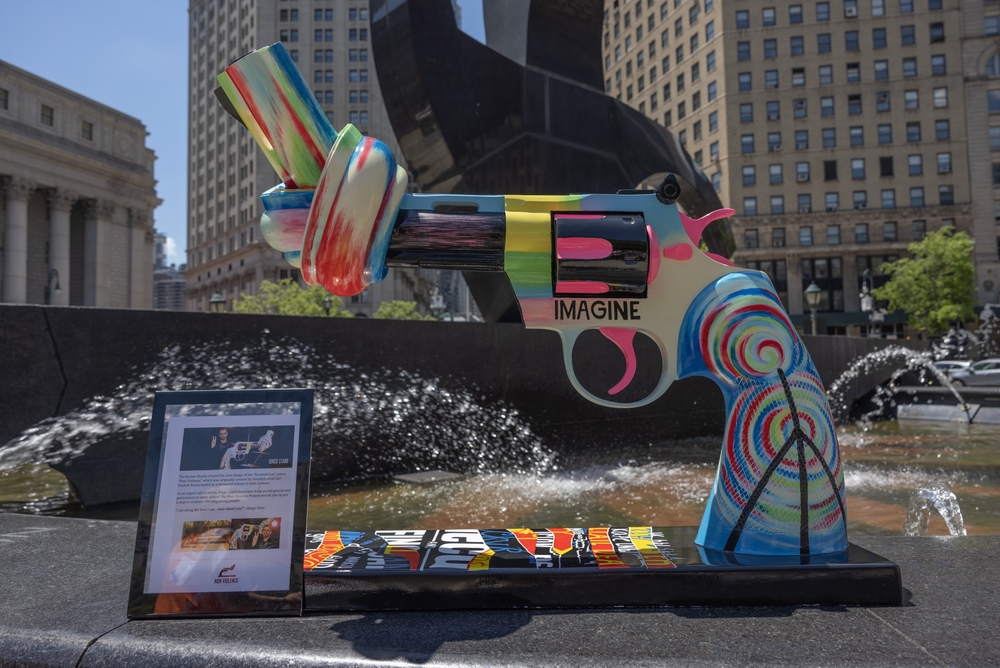
Against the backdrop of a changing world order, where the norms established by the international community after World War II are eroded without being replaced by new, more up-to-date rules, the very idea of peace is increasingly disregarded if not directly threatened.
Certainly, the idea of peace is not immutable. Throughout the 20th century, we have transitioned from a peace determined by the victors of war to one shaped by the liberal states within a liberal – or allegedly liberal – world order. Nowadays, countries around the world, from the East to the West, are engaged in a form of political revisionism that brings the nation-state, borders, territories and political violence back to the centre of international dynamics, undermining multilateralism, multilateral institutions and political cooperation.
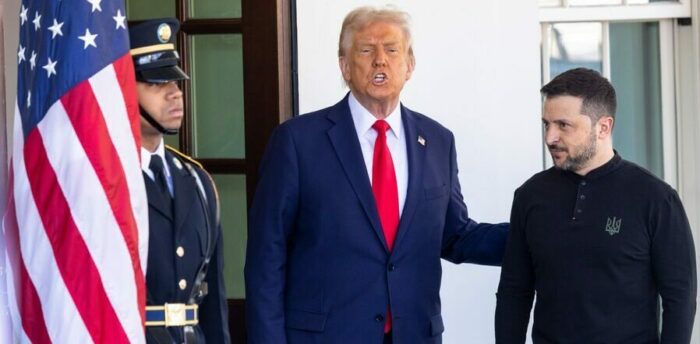
In this context, the number of conflicts is increasing, transactional mediation is on the rise – also pushed by the US President Donald Trump’s approach to diplomacy –, and countries are increasingly reinforcing their defence capabilities, while showing a declining interest, and cutting resources for those tools that in the last 80 years have supported peace-making and peacekeeping.
While the debate seems to focus almost exclusively on war and rearmament, at the Progressive Post, we wanted to steer it towards peace. Our goal is twofold: first, to make a meaningful contribution to the debate on the EU’s multiannual financial framework, which will define how money on defence, peace and development will be spent in the future. Second, and even more importantly, to ensure that utmost effort is made to prevent new conflicts and to prepare ourselves for the peace that will follow the end of the current conflicts, with a clear vision of the kind of peace we want to build. We are convinced that, now more than ever, we must give peace a chance.
Photo credits: Shutterstock.com/Ben Von Klemperer