Twenty-five years after the adoption of UN Security Council Resolution 1325, the Women, Peace and Security (WPS) agenda stands at a crossroads. Its foundations stand firmer than ever: women’s participation makes peace more likely and more durable, and over a hundred countries have adopted national action plans. Yet implementation is stagnating, and, in some places, regressing. Conflict is at record levels; military spending keeps rising at the cost of, for example, global development aid; and gender equality is contested and politicised more openly than before.
We need to look at what is eroding the agenda and what could renew it. Shifting geopolitics plays a central role: democratic backsliding, the strategic use of anti-gender narratives and the quiet de-prioritisation of WPS by some of its traditional supporters reinforce one another. The problem may also run deeper: a mainstream patriarchal conception of power still equates security with force and treats cooperation and compromise as weakness. Equality, however, is a precondition for lasting peace rather than a side issue.
The pressing question is how states can respond to the current developments. Strong engagement in multilateral and operational settings, such as peacekeeping, does not automatically bring change at home. Commitments abroad can coexist with persistent gaps in domestic representation and with foreign-policy priorities that stay untouched. Smaller states, meanwhile, can add real value by building on their own expertise, coalitions and diplomatic access. That value depends on using these niches for substance rather than for visibility or influence alone, and on avoiding patterns that reproduce unequal power relations with the Global South, especially in funding.
Preserving and advancing WPS can no longer be treated as a technical or symbolic exercise. It requires political will, long-term, sustainable funding, including for local actors on the ground, coherence between external and internal commitments, and more equal partnerships with civil society.
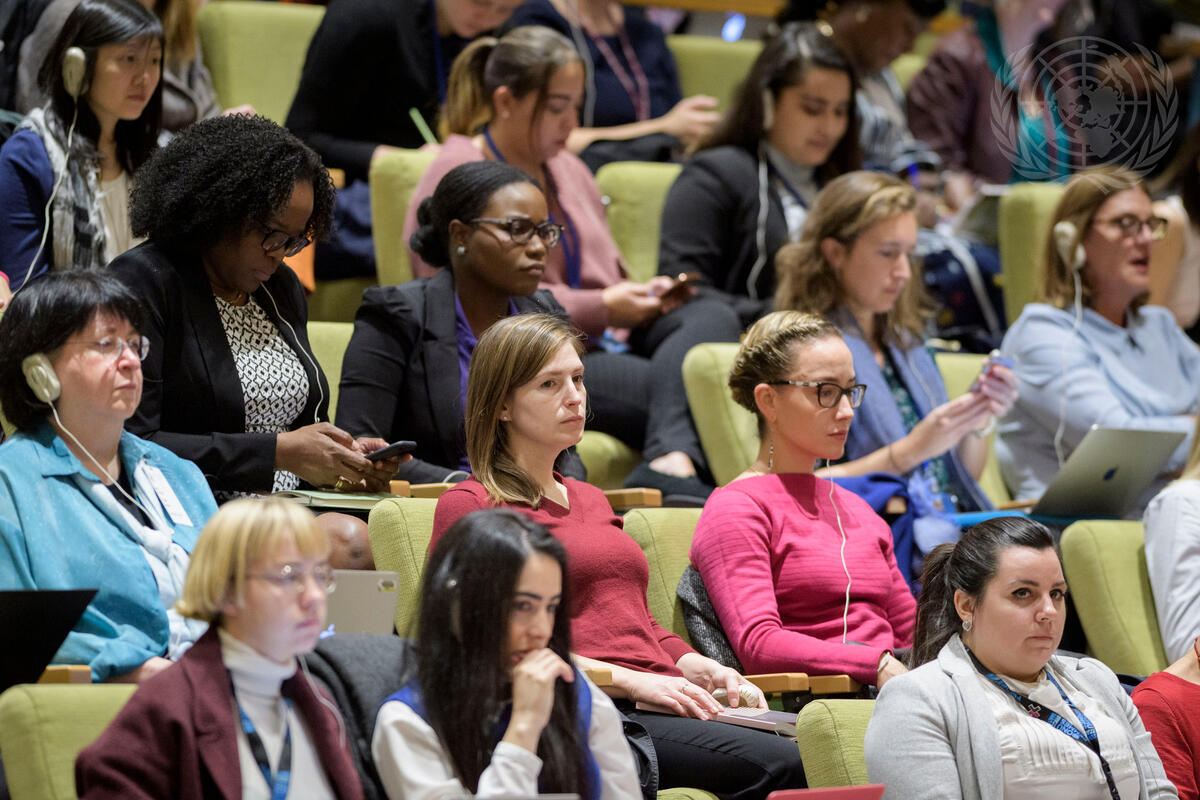
Photo credits: UN Photo/Manuel Elías