

27/11/2025
COP30’s failure to secure meaningful commitments to shift away from fossil fuels makes it even more urgent to protect the ocean and increase its resilience. The EU must seize the opportunity of the Ocean Act to lead global action for ocean health – for the sake of people and the planet.
The 30th United Nations Climate Change Conference (COP30) laid bare the absurd paradox that undermines global climate negotiations. Ten years after the Paris Agreement set the course for a net-zero emissions future, deep divisions among countries meant that the final COP30 decision failed to even mention the most critical action needed to address the climate crisis: phasing out the use of oil, gas, and coal. Also missing were widely backed proposals for roadmaps to implement the phase-out and halt deforestation, even though COP30 was held in the midst of the Amazon, the planet’s largest forest.
The final text does, however, refer to the other great lung of the planet – the ocean. It acknowledges the urgent need to address ocean degradation and the “vital importance of protecting, conserving, restoring and sustainably using and managing” nature, including marine ecosystems, for “effective and sustainable climate action”. Given the failures of COP30 to close the gap between countries’ promised emissions cuts and what is necessary, the urgency of ensuring ocean health and resilience is even greater.
Ocean action is climate action
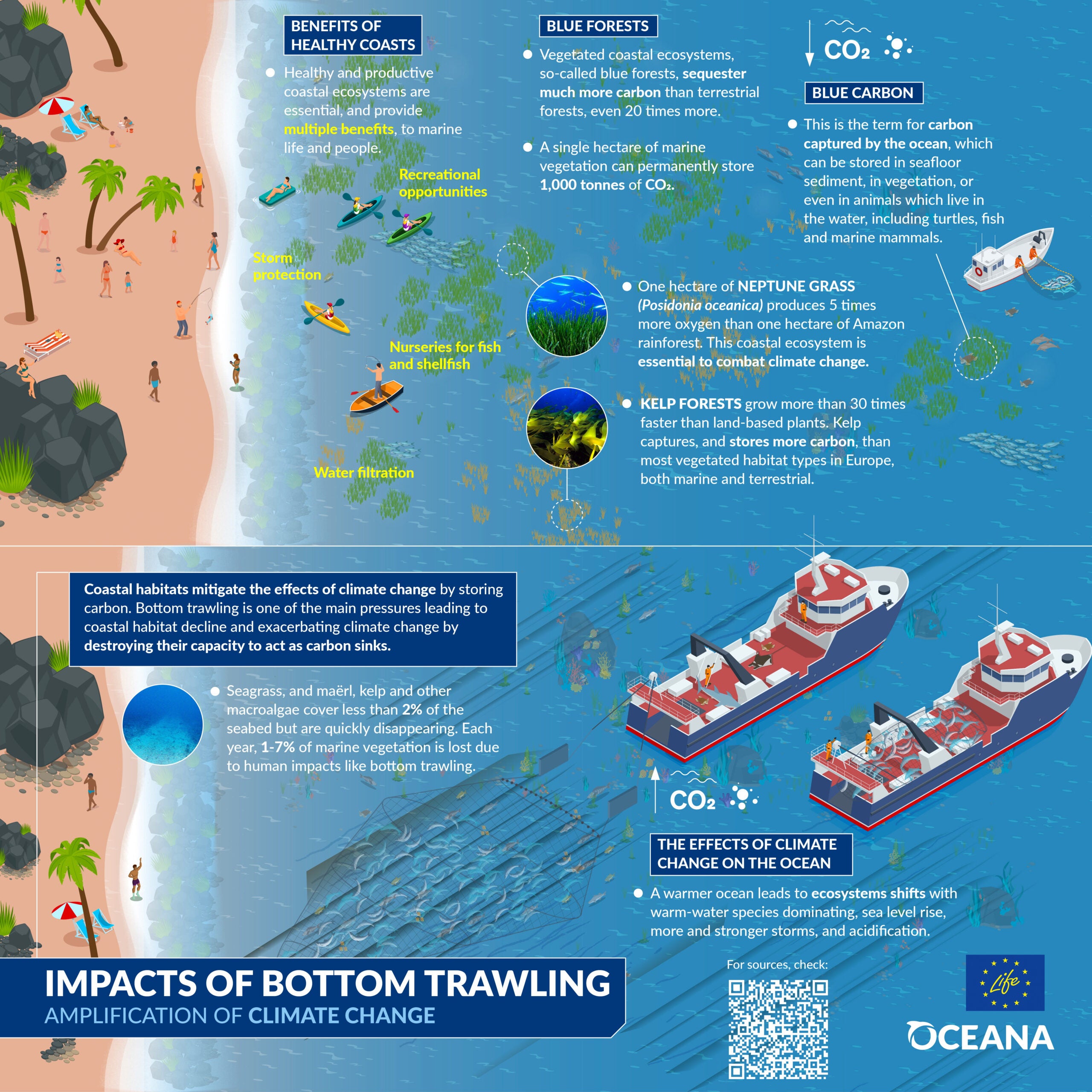
The ocean plays a central role in regulating our climate system, absorbing more than 25 per cent of human-caused CO2 emissions and around 90 per cent of the excess heat that they produce. It is the largest carbon sink on the planet and acts as a powerful buffer against climate change. Yet the ocean is also under threat. Climate change exacerbates the long-standing impacts of overfishing and pollution, as warming and acidifying waters cause extensive harm to species and ecosystems, and diminish the ocean’s capacity to continue absorbing carbon dioxide. Many marine ecosystems are in a dire situation, but at the same time, a healthy ocean is a critical part of the solution. Decisions aimed at protecting and restoring habitats, as well as rebuilding fisheries, increase the resilience of marine ecosystems and of the communities that depend on them for their livelihoods and nutrition – while helping to address the climate emergency.
There is a direct link between preserving the ocean and ensuring a livable future for people. Consider seagrass meadows – they absorb even more carbon and produce more oxygen than rainforests, and they act as barriers against storm surges, coastal flooding and erosion. Marine sediments store nearly twice the amount of carbon in the top metre of the seabed than terrestrial soils, so just leaving them untouched is climate action. Protecting the ocean is climate action. This is where the EU must step up and assume a leadership role in protecting and restoring ocean health and abundance.
Regardless of countries’ political compasses and shifts over time, when it comes to ocean restoration and protection, the EU simply cannot afford to wait for laggards. Many EU fish stocks are still overfished and require time and effort to rebuild. Meanwhile, we import 70 per cent of the seafood we consume. Destructive fishing practices like bottom trawling plague the EU’s marine ‘protected’ areas, and the unwanted bycatch of commercial and sensitive species detrimentally affects marine ecosystems. The climate crisis exacerbates these pressures.
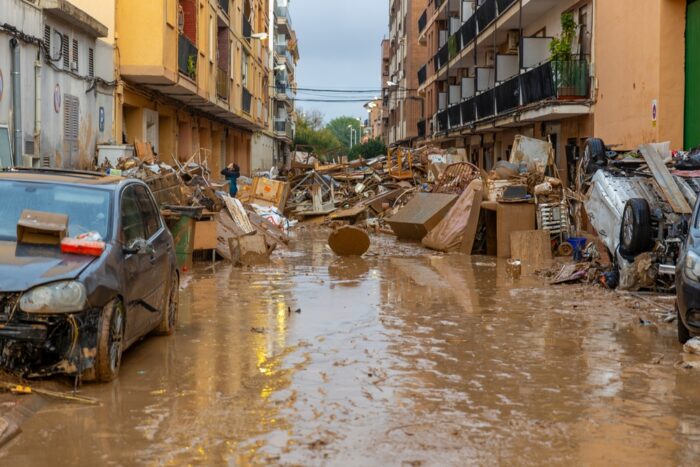
The case of the Mediterranean Sea is a paradigmatic example. The most heavily overfished sea in the world is also warming 20 per cent faster than the global average. Record marine heatwaves already pose grave threats to marine life and ecosystems and put coastal communities at risk – with dire consequences. Increasingly severe weather events show that both people and nature are suffering from the climate crisis, and that unprecedented changes will only become more frequent – and more deadly – if we fail to take action.
The EU Ocean Act as a fundamental tool
The forthcoming Ocean Act can be a powerful tool to make the EU a global driving force in the fight against the climate crisis. A robust Ocean Act must put at the centre of EU marine policies the essential need to restore our seas, to support Europe’s food supply, create jobs, preserve the way of life of coastal communities and provide resilience to climate change. The ocean supports five million jobs in the EU, and they need a future – a sustainable, regenerative blue future.
First, the Ocean Act must make international targets legally binding, such as protecting 30 per cent of the oceans by 2030, as adopted in the Kunming-Montreal Biodiversity Framework. It must also ensure that current regulations (like the common fisheries policy) are fully implemented, and that what exists on paper translates into real results underwater – like ending destructive activities inside marine protected areas. And it must go beyond. The Ocean Act needs to support the fishing sector’s transition to more sustainable practices and support small-scale, low-impact fishers – who contribute considerably more to the social and economic fabric of EU coastal communities than their large-scale counterparts. For instance, the EU should reserve its territorial waters (12 nautical miles from the coast) exclusively for low-impact activities, including sustainable small-scale fishing. It needs to set a solid basis for blue jobs and blue foods.
Now that EU climate negotiators have returned to this side of the Atlantic, we need policymakers to adopt an Ocean Act that raises ambitions in EU marine policy, brings coherence, and ensures implementation, to achieve healthy seas and prosperous coastal communities.
Leadership is needed – the EU must provide it
The urgency of the climate crisis calls for bold, immediate and large-scale efforts. Building climate resilience by enhancing ocean resilience is a winning strategy to ensure climate stability, coastal protection, livelihoods and jobs. This is the long-term vision that the world – and Europe – need. The EU is not alone in this endeavour. COP 30 has shown that many other countries are seeking commitments as well, and that both science and traditional knowledge support climate action. A decade ago, the EU was the first world economy to develop an International Ocean Governance agenda to foster healthy oceans, halt the loss of biodiversity and fight climate change. Now is the time to revive this leadership. Adopting and enforcing solid legislation at home is a first, much-needed step. Prosperous communities need climate-resilient seas.
Photo credits: Shutterstock.com/MOHAMED ABDULRAHEEM
Find all related Progressive Post
Progressive Post