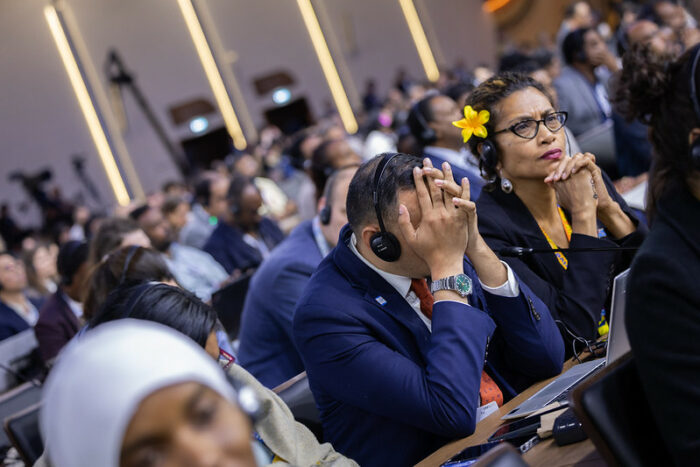
Climate action is at a crossroads. COP31 has just ended in Antalya without any overarching political agreement. It was the first ‘overshoot COP’ since scientists are now sure that the 1.5°C limit will be exceeded. Even worse: our current trajectory points to almost 3°C of warming by 2100. Yet, the picture is not one of pure gloom. Without climate policy, the world would be heading for 4-5°C warming, and, mustering up a lot of optimism, the window to bring temperatures back towards 1.5°C remains open for roughly the next decade – even if it is closing fast.
With multilateral talks stalling, much of the momentum now rests on what Europe does at home. Energy insecurity, from the shock of Russia’s invasion of Ukraine to this year’s disruption around the Strait of Hormuz, has sharpened the case for acting. Cutting emissions and wasteful energy leaks is also a way of cutting bills and dependence on imported fuels. Europe has the tools. The question is whether it will use them with sufficient ambition and discipline.
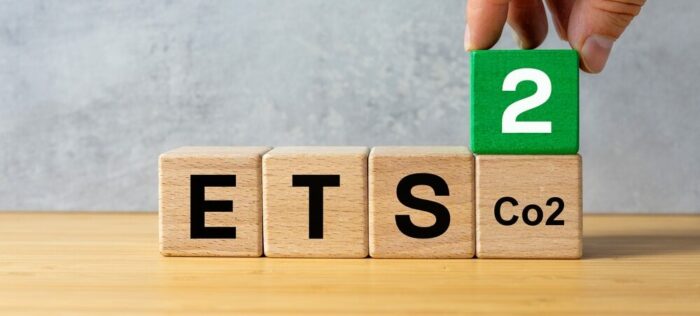
Two pieces of EU policy will test the bloc’s resolve. The Emissions Trading System could be reshaped into a driver of industrial decarbonisation, and the EU Methane Regulation, recently postponed by two years, can still deliver one of the cheapest and fastest available climate wins. A common thread runs through them: the solutions are known, technologically mature and often cost-effective. What is missing is not science or technology but political will. The next few years will be decisive. Delay is a choice, and Europe’s choices will shape its competitiveness and security as much as the climate.
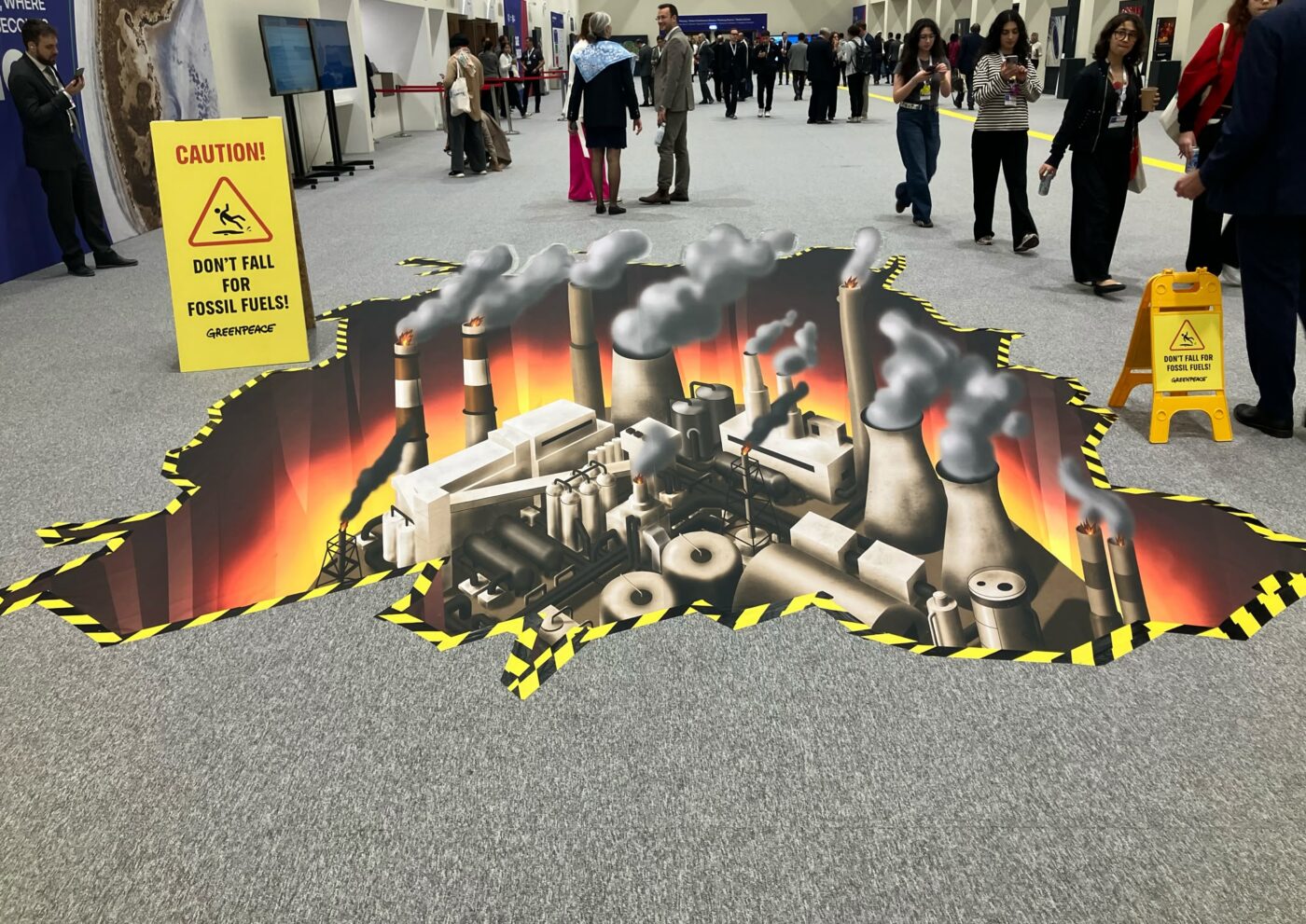
Photo credits: Chloé Deffet/FEPS