


22/02/2023
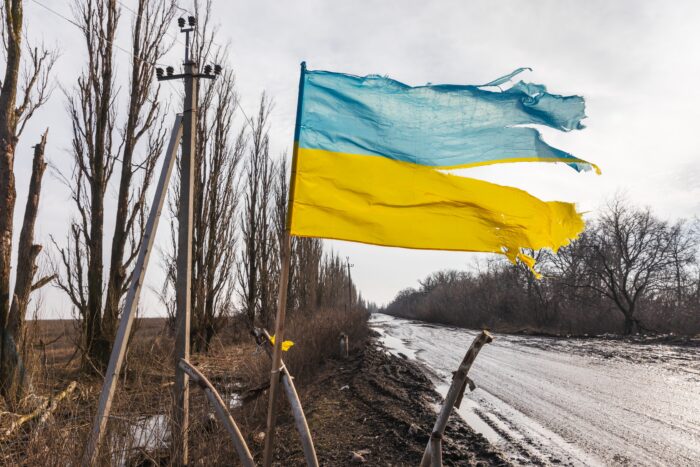
The civilian population continues to bear the brunt of Russia’s unprovoked onslaught on Ukraine. Consequently, Russia’s possible defeat on the battlefield might still prove to be a Pyrrhic victory for Ukraine, which now faces the daunting prospect of having to cope with a ‘lost generation’ of its citizens.
Since the start of Russia’s full-scale invasion, the social fabric of Ukrainian society has been put under unprecedented stress. Moscow’s self-proclaimed ‘special military operation’ has all the markings of a genocidal war against the Ukrainian nation. Russia’s self-labelled ‘liberation’ efforts are replete with grave violations of human rights. Relying on brutal force and having little to no respect for human life, Russkiy mir equates to total destruction, perpetual pain and unfathomable suffering. Falling short of realising its military goals, Moscow continues to retaliate by purposefully and methodically targeting the civilian population and critical infrastructure in an attempt to break down the Ukrainian spirit.
Despite the atrocities, which are being committed on a daily basis by the Russian forces, the resolve of the Ukrainian nation to defend the country remains unshaken. For a year already, the world has expressed its admiration for the brave resistance of Ukrainians against a ruthless aggressor. However, this ‘success’ comes at a staggering human cost and potentially irreversible changes to the socio-demographic fabric of the nation. So far in the public discourse, the focus of the Russo-Ukraine war has been laid predominantly on the question of territory. Yet, people are equally, if not more, important for Ukraine’s future. The country obviously needs soldiers to win a war, but it also needs qualified human capital to recover, modernise and transform. Russia’s ultimate defeat on the battlefield might thus prove to be a Pyrrhic victory for Ukraine, should it face the daunting prospect of having to cope with a ‘lost generation’.
Ukraine’s demographic situation prior to the full-scale invasion had already presented a major challenge to its (democratic) development. The UN Human Development Index pointed to a number of worrying trends such as low birth rate, emigration of the population and the ageing of society, all of which have plagued the country for decades. Although reliable demographic data is hard to find, according to various estimates, the population has shrunk by at least 10-12 million people since Ukraine gained independence in 1991. Russia’s war against Ukraine, which de facto started in 2014, significantly aggravated these existing demographic challenges and has begun to alter the structure of the population even more. Many of the localities in the eastern and southern regions of Ukraine, in close vicinity or directly targeted by the military fighting, have de facto ceased to exist, or have been affected to an extent that future reconstruction is unlikely.
To make things worse, the UN estimate that since the full-scale invasion started in 2022, at least 12 million have left their homes – as internally displaced persons or forced to flee to another country. And even the very conduct of the war creates additional challenges for Ukraine’s future. Russia does not shy away from conscripting and sending felons and convicts to the battlefield. Its most talented, qualified and educated flee the country in thousands in fear of mobilisation and a further escalation of the war. At the same time, Ukraine continues to pay the highest price for resistance: broken families and loss of life, also among the members of its future elite, the brightest minds and innovators, many of whom without any hesitation enrolled into the army to defend their homes. The majority of those who are most affected by the ongoing war are vulnerable groups such as women, children and the elderly. Although the tendency is to focus on the ‘here and now’, as we are still in the active phase of the war, the future (or lack thereof) of Ukraine’s younger generation deserves considerable attention. In a relatively short time span, young Ukrainians had to find a way to cope with two life-altering events: coming out of a global pandemic, they found themselves in a full-scale war. It will take years, if not decades, to cope with the trauma inflicted by both. And even more so as the Ukrainian society never had the experience, nor sufficient time and necessary tools to process traumas which are already deeply ingrained in their collective memory due to a centuries-long violent and troubled past.
Furthermore, Russia continues to undertake targeted efforts to deprive Ukrainians of their future. According to Ukrainian authorities, at least 13,000 children have been forcefully resettled to Russian territory by the occupation forces. In many cases, their fate remains unknown, yet reports have already emerged about various ‘re-education’ practices by Russia and attempts to send them to ‘foster families’. Children who were able to move to safer places face challenges of their own. 54 per cent of teachers working currently in Ukraine speak of professional burnout, while 74 per cent of surveyed schoolchildren reported being stressed. Those who have moved abroad encounter a language barrier, double workload, lack of equipment to study and academic differences. Furthermore, the gravity of psychological trauma and challenges regarding integration into host communities are only starting to be comprehensively analysed, not to speak about finding solutions to address them.
Ultimately, while the Ukrainian Armed Forces continue to repel the aggressor, the rest of the society has to display an unprecedented level of resilience and resolve to approximate the victory in the war on everyday basis. In response to a genocidal invasion, Ukrainians have no other option but to resist and win. Yet, all those who support Ukraine’s cause should fully realise that victory will come at a very high cost. More so because Russia purposefully targets civilians as part of its military tactics. Already now, it seems very likely that the gender and age structure of the population in Ukraine will significantly alter. Shortage of labour force and brain drain will emerge as substantial challenges during the post-war recovery. And although Ukrainians are “world champions in survival” (to quote philosopher Volodymyr Yermolenko), the future generation(s) of its citizens will need to process deep traumatic experience inflicted by Russia’s brutal onslaught. Those who continue to stand with Ukraine must remember that the support should reach beyond military assistance, allowing the country to address the ongoing socio-demographic changes. The latter will have a profound impact on the resilience of its democracy. Unfortunately, time is not on Ukraine’s side. It is indeed ‘now or never’. This is why the decisiveness of its international partners to provide the necessary assistance in a timely manner is of paramount importance for its future.
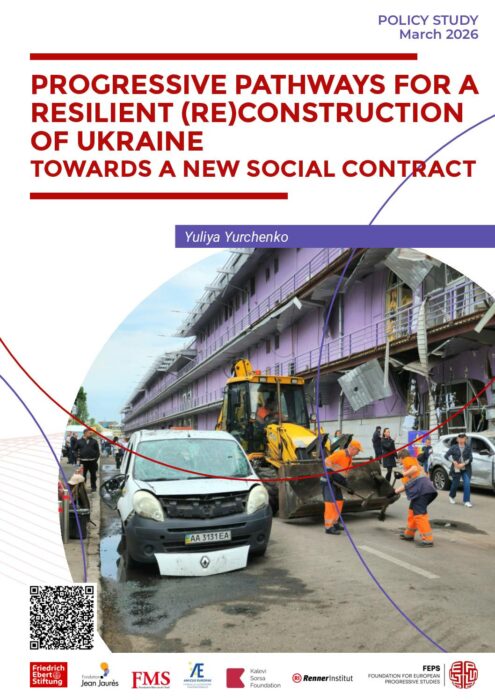
Photo credits: Shutterstock/Drop Of Light
Find all related Progressive Post
Progressive Post
Find all related events
Events
No upcoming events at the moment.

Find all related publications
Publications

Find all related Audiovisual
Audiovisual
16/09/2025
16/09/2025
27/03/2025
17/02/2025
Find all related news
News



Find all related in the media
In the media