
Resisting state propaganda in the new information environment: The case of the EU, Russia and the Eastern Partnership countries

The Foundation for European Progressive Studies (FEPS) in cooperation with our Latvian partner Brīvības un […]
Speakers

16 - 17/09/2016
00:00:00 - 00:00:00
Riga, Latvia Riga, Latvia
Resisting state propaganda in the new information environment: The case of the EU, Russia and the Eastern Partnership countries
56174
307-resisting-state-propaganda-in-the-new-information-environment-the-case-of-the-eu-russia-and-the-eastern-partnership-countries
0

In order to give you access to our events, FEPS processes your personal data together with any other organiser of this event mentioned in the description of the event and in accordance with 'FEPS’ data protection policy.

The Foundation for European Progressive Studies (FEPS) in cooperation with our Latvian partner Brīvības un solidaritātes fonds (BSF) are organising a launch event of the book Resisting state propaganda in the new information environment: The case of the EU, Russia and the Eastern Partnership countries.

The event will take place at 10am on Friday, September 16th, at the Latvian University Library in Riga. It will feature the participation of media industry experts and some of the publication’s co-authors, including Roberts Putnis, Head of Media Policy Division at the Latvian Ministry of Culture, Andris Mellakauls, Head of the Information Space Integration division at the Latvian Ministry of Culture and former chair of the Council of Europe Steering Committee on Media and Information Society, and Māris Cepurītis, Researcher at the Centre for East European Policy Studies. 

Through a collection of important articles, this book unfolds an interesting analysis of some rapidly emerging themes in the problematique of modern propaganda. It does so by primarily looking at how the European Union (EU) and some of its member states have acted to resist foreign propaganda efforts, and in so doing, tried to protect their democratic ethos and values. To inform this discussion with additional specificity, a number of information initiatives undertaken by the Russian Federation towards the Baltic EU member states and some of the Eastern Neighbourhood states are used as an illustrative example.

By reviewing policy responses against these and similar propaganda efforts, both at EU level and within various national contexts, this book also provides an in-depth overview of the challenges and opportunities that exist in defending core democratic values from hostile propaganda campaigns in our digital age. It also touches upon the methodology and the impact that these campaigns have had, not only on promoting or demoting certain information, but also on reinforcing certain messages and imagery, and ultimately on undermining the democratic foundations and modus operandi of each the countries under examination.

Network
Brivibas Freedom and Solidarity Foundation
Find all related publications
Publications
22/07/2026

How (not) to fight the far right

FEPS YAN papers 9th cycle
20/07/2026

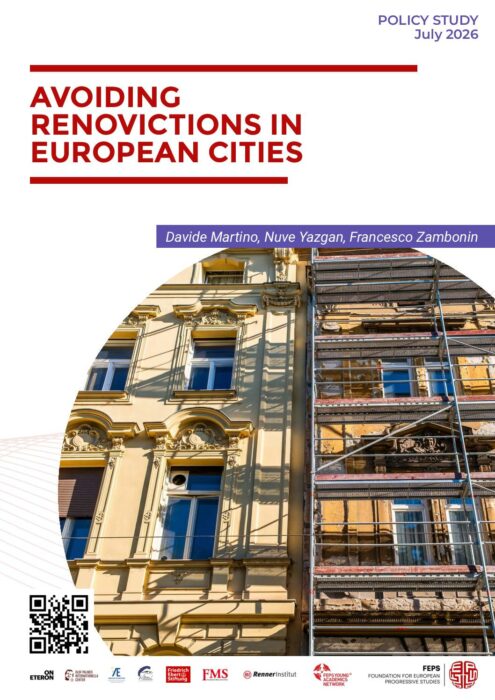
Avoiding renovictions in European cities

FEPS YAN papers 9th cycle
20/07/2026

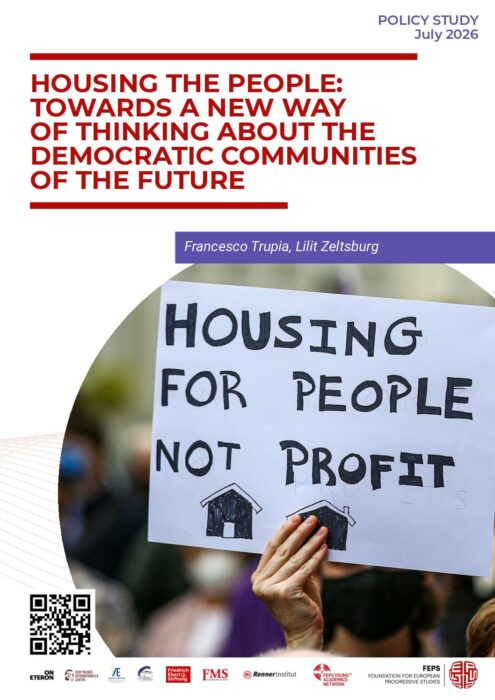
Housing the people

FEPS YAN papers 9th cycle
20/07/2026

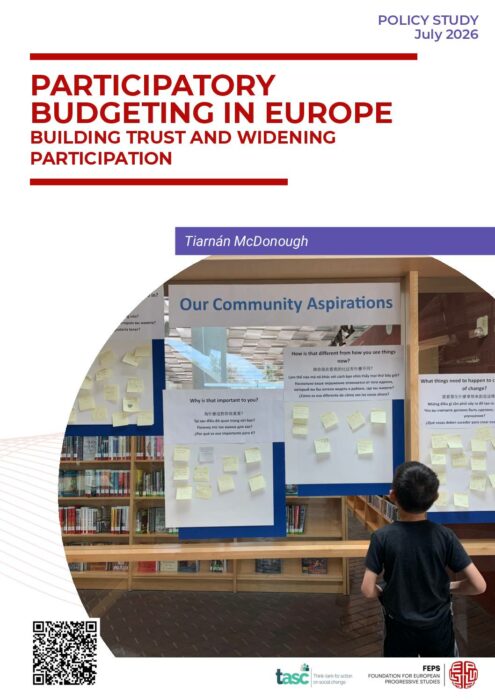
Participatory budgeting in Europe

Building trust and widening participation
Find all related Progressive Post
Progressive Post

16/07/2026

Good luck! And don’t f**k it up…

Hungary beyond the elections: a fragile chance for LGBTQI+
02/07/2026

A pact: what else?

The entry into force of the EU’s Pact on Migration and Asylum on 12 June […]
02/07/2026

The EU Return Regulation: what lies behind the chants

The new EU ‘deportation bill’ was adopted by the European Parliament amid roaring applause, laughter […]
Find all related Audiovisual
Audiovisual
20/07/2026

‘DON’T let AI take over your capability to THINK and be CREATIVE’ with Katarina Barley

AI continues to remain a priority topic on the political agenda. As the EU leverages […]
20/07/2026

‘DON’T let AI take over your capability to THINK and be CREATIVE’ with Katarina Barley

AI continues to remain a priority topic on the political agenda. As the EU leverages […]
27/06/2026

The POLITICAL dimension of the US FIFA World Cup with Cas Mudde

📺🔊 Available on YouTube, Spotify & Apple Podcast This FIFA World Cup may be the […]
27/06/2026

The POLITICAL dimension of the US FIFA World Cup with Cas Mudde

📺🔊 Available on YouTube, Spotify & Apple Podcast This FIFA World Cup may be the […]
Find all related news
News
08/07/2026

Letter to Manfred Weber, Chair of the EPP Group, by FEPS President Nicolas Schmit 

Dear Mr Weber, You are European, but also German. One should be entitled to expect […]
23/06/2026

FEPS Reacts: 10 years after Brexit

Written by FEPS Secretary-General László Andor 🔸 Brexit has been a case study in national self-harm. The […]
05/06/2026

Call for a progressive EU enlargement

Friends of the Western Balkans' Joint Statement
13/04/2026

Hungary’s civic revolution

FEPS' commentary on the outcomes of the Hungarian election
Find all related in the media
In the media

Carta a Manfred Weber

by elDiario.es 17/07/2026
"Letter to Manfred Weber". FEPS President Nicolas Schmit wrote to Manfred Letter, leader of the EPP, on the outcome of the Return Relugation, available in Spanish on elDiario.es.

Open letter to Manfred Weber

by Social Europe 13/07/2026
FEPS President Nicolas Schmit's open letter to EPP leader Manfred Weber on the Return Regulation was featured in Social Europe

Elon Musk não existiria na Europa, porque nunca teria recebido tanto dinheiro de um orçamento público como recebeu nos EUA

by Expresso 24/06/2026
FEPS President and former Commissioner Nicolas Schmit explains how social democrats can regain the trust of EU citizens

Diez años del Brexit: la metamorfosis del euroescepticismo

by La Razón 24/06/2026
"Ten years of Brexit: the metamorphosis of Euroscepticism". This article from La Razón mentions FEPS policy brief "Countering the far right in the European Parliament", which examines the growing normalisation of far-right parties within the EP and analyses how their strategy has shifted from rejecting the EU to reshaping it from within.