
20/06/2024
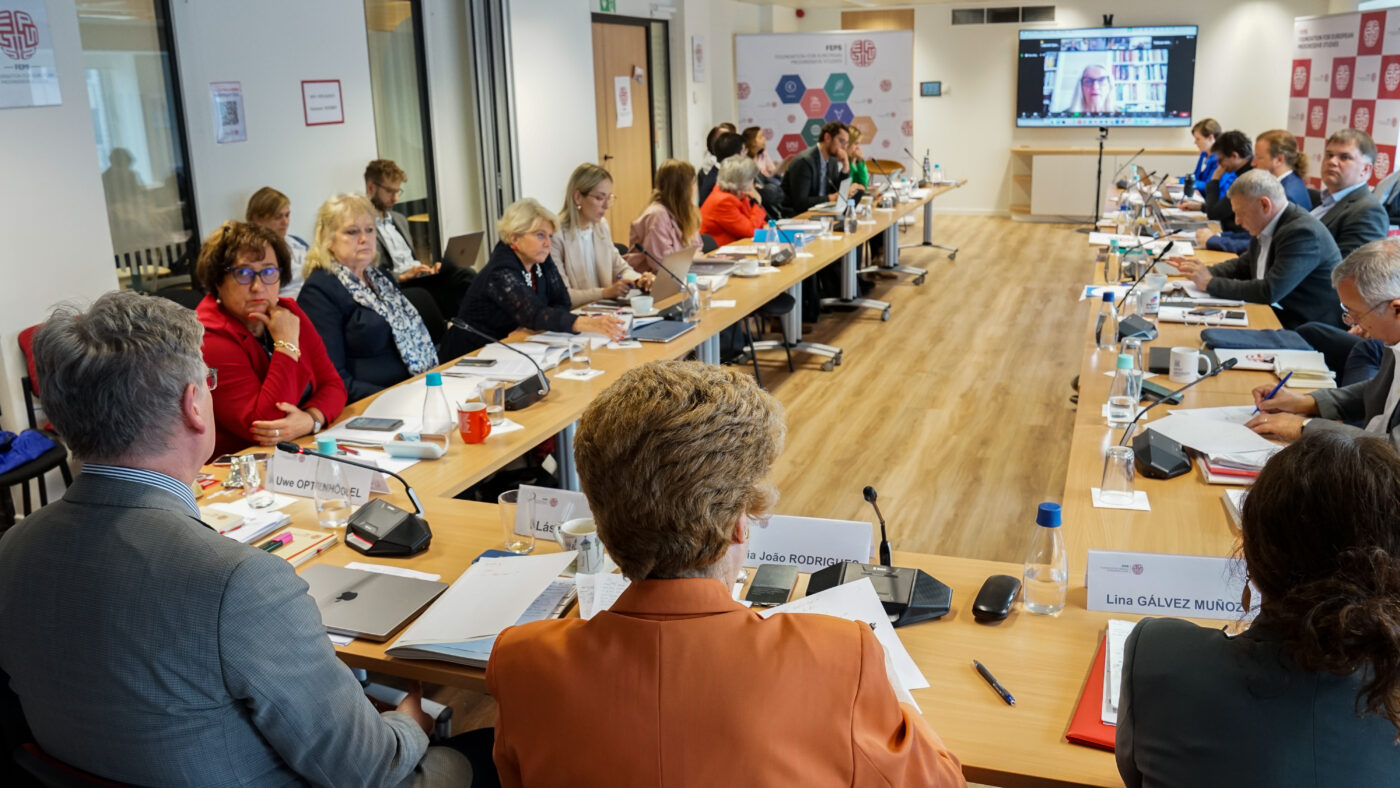
The Foundation for European Progressive Studies (FEPS) held its annual General Assembly on 20 June. A central debate took place to assess the outcome of the European elections and to define the FEPS strategy to be translated into the next Annual Framework Programme. This year’s assembly brought significant developments and new members to the organisation.
We are delighted to announce the inclusion of two new observer members:
- Fondazione Demo: This Italian foundation aims to steer innovation towards a fairer future for both people and the planet.
- Eteron—Institute for Research and Social Change: A non-profit Greek organisation dedicated to generating knowledge, empowering citizens, and fostering partnerships. Eteron works to strengthen arguments, ideas, individuals, and organisations to ensure that people’s actual needs are prioritised in public discourse.
Additionally, we proudly announce that Fundação Mário Soares e Maria Barroso has transitioned from Observer to Full Member.
Finally, in accordance with the rotation principle outlined in FEPS internal regulations, there has been a change in our Bureau members. Following a vote by the General Assembly, the Greek foundation DIKTIO replaces the Dutch foundation Max van der Stoel (FMS) in the Bureau. On behalf of FEPS leadership and team, we want to thank FMS representatives for their professionalism and commitment over the past five years.
Find all related publications
Publications
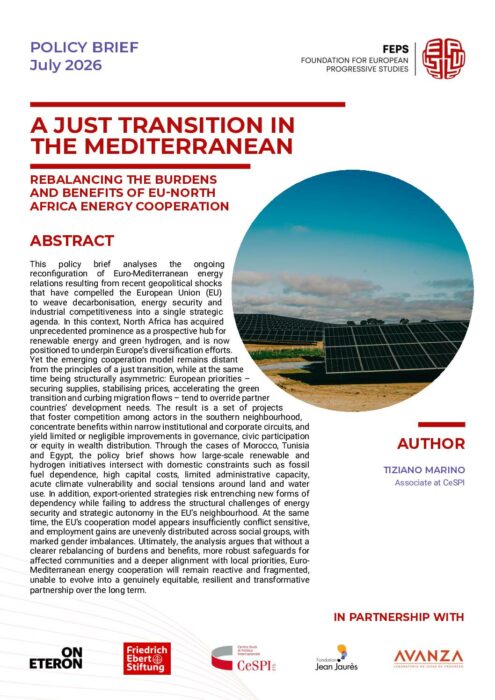
Find all related Progressive Post
Progressive Post
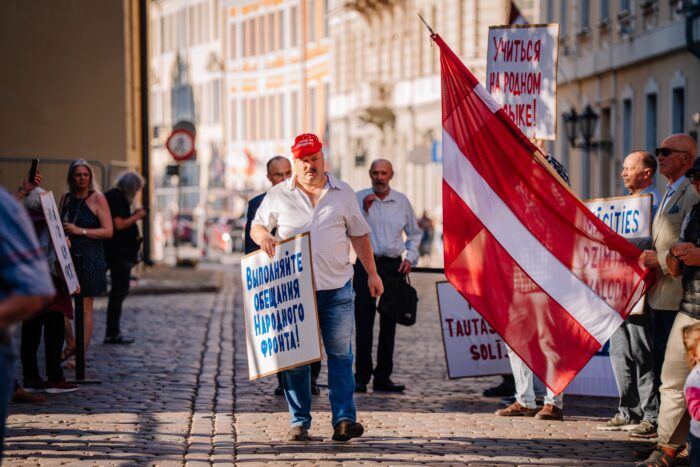
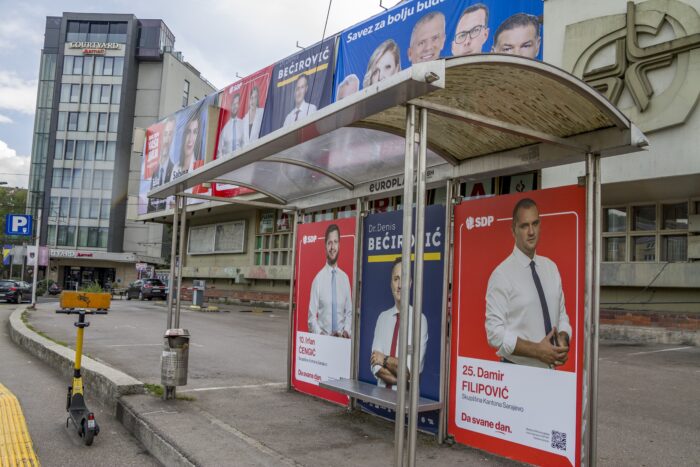
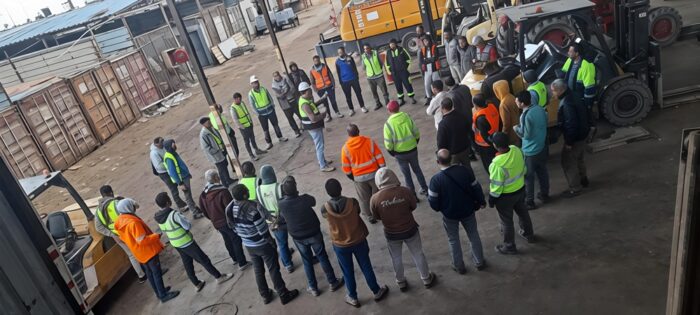
Find all related news
News


Find all related in the media
In the media
La Regina, il problema dei divari territoriali è una questione europea
by Regione Basilicata 22/09/2026
“Von der Leyen’s Canadian gambit”
Opinion article by László Andor, FEPS Secretary General, published in Racin.mk (MK), analysing the EU’s growing rapprochement with Canada, the shift from geopolitics towards geoeconomics, and the need for Europe to reduce its dependence on the US while strengthening multilateralism. Andor also examines the Commission’s economic and social priorities, highlighting the need for stronger attention to living costs, labour and social policy.
Biztonságpolitika? Az a NATO dolga – EU-s biztosok értékelték Ursula von der Leyen beszédét
by Telex 21/09/2026