Meeting between between Katarina Barley, SPD Secretary General and Ernst Stetter, FEPS Secretary General

Constructive, productive and promising was the summary of the meeting that took place in the […]

11/04/2016

Constructive, productive and promising was the summary of the meeting that took place in the FEPS premises on Tuesday, 5th April 2016 between Katarina Barley, SPD Secretary General and Ernst Stetter, FEPS Secretary General. The exchange touched upon the main political challenges that the European Union and per extension also the European social democracy is facing at the moment. Consequently, much of attention was devoted to the question of migration and a need for a new, sustainable roadmap that would help restoring solidarity among people, regions and states.

Following that, the two secretaries general spoke on concrete aspects of possible cooperation between SPD and FEPS, recalling also the good practices that have already been established before. They reached an agreement to enhance cooperation in three dimensions. First of all, it would envisage a joint effort to continue Millennial Dialogue and look at the attitudes of the German youth.

Secondly, it would seek to support parliamentarians from the European and the national level to forge a better connection, having a chance to meet for an event alike a convention.

Thirdly, it would also seek to help SPD preparing towards the 2017 parliamentary elections by facilitating a set of thematic exchange between the international experts and the SPD politicians. Finalizing the meeting, the two secretaries general paid tribute to the victims of the recent terrorist attacks in Brussels.

Find all related publications
Publications
20/07/2026

Avoiding renovictions in European cities

FEPS YAN papers 9th cycle
20/07/2026

Housing the people

Towards a new way of thinking about democratic communities of the future
20/07/2026

Participatory budgeting in Europe

Building trust and widening participation
20/07/2026

A toolkit for countering climate misinformation

FEPS YAN papers 9th cycle
Find all related Progressive Post
Progressive Post
16/07/2026

Good luck! And don’t f**k it up…

Hungary beyond the elections: a fragile chance for LGBTQI+
02/07/2026

A pact: what else?

The entry into force of the EU’s Pact on Migration and Asylum on 12 June […]
02/07/2026

The EU Return Regulation: what lies behind the chants

The new EU ‘deportation bill’ was adopted by the European Parliament amid roaring applause, laughter […]
Find all related news
News
08/07/2026

Letter to Manfred Weber, Chair of the EPP Group, by FEPS President Nicolas Schmit 

Dear Mr Weber, You are European, but also German. One should be entitled to expect […]
23/06/2026

FEPS Reacts: 10 years after Brexit

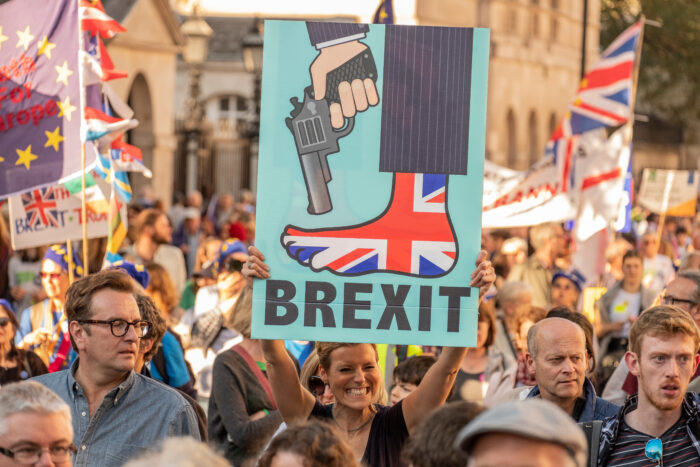
Written by FEPS Secretary-General László Andor 🔸 Brexit has been a case study in national self-harm. The […]
05/06/2026

Call for a progressive EU enlargement

Friends of the Western Balkans' Joint Statement
13/04/2026

Hungary’s civic revolution

FEPS' commentary on the outcomes of the Hungarian election
Find all related in the media
In the media

Carta a Manfred Weber

by elDiario.es 17/07/2026
"Letter to Manfred Weber". FEPS President Nicolas Schmit wrote to Manfred Letter, leader of the EPP, on the outcome of the Return Relugation, available in Spanish on elDiario.es.

Open letter to Manfred Weber

by Social Europe 13/07/2026
FEPS President Nicolas Schmit's open letter to EPP leader Manfred Weber on the Return Regulation was featured in Social Europe

Elon Musk não existiria na Europa, porque nunca teria recebido tanto dinheiro de um orçamento público como recebeu nos EUA

by Expresso 24/06/2026
FEPS President and former Commissioner Nicolas Schmit explains how social democrats can regain the trust of EU citizens

Diez años del Brexit: la metamorfosis del euroescepticismo

by La Razón 24/06/2026
"Ten years of Brexit: the metamorphosis of Euroscepticism". This article from La Razón mentions FEPS policy brief "Countering the far right in the European Parliament", which examines the growing normalisation of far-right parties within the EP and analyses how their strategy has shifted from rejecting the EU to reshaping it from within.