The Relationship between Europe and Africa

As with the Yaoundé, Lomé, Cotonou accords which altered the Europe-Africa relationship from one of […]

18/11/2011

As with the Yaoundé, Lomé, Cotonou accords which altered the Europe-Africa relationship from one of domination to one whose motto is deregulation, future agreements, called Economic Partnership, are “neither more nor less than free trade zones allowing Europe to freely access any ACP market.” Thus lamented the President of FEPS, Massimo D’Alema, at the close of the seminar on the consequences of the economic crisis on the relationship between Europe and Africa. Regretting that for many socialists the crisis was not the catalyst to even bring out the aspirations of peoples to live in a world more united and at peace, he considered that one of the fundamental tasks of a renewed progressive force was to “restore the primacy of politics over economics.” In this context, and in order to stabilize the relationship between Europe and Africa, it is of primary importance to “strengthen both the political coherence of European integration and political and economic integration of Africa.”

Speech by President of FEPS, Massimo D’Alema, to the World Social Forum Dakar, Senegal

Find all related publications
Publications
23/10/2026

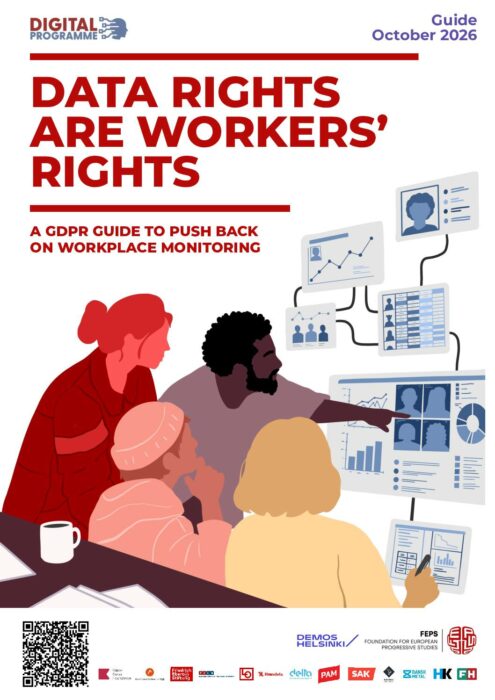
Data rights are workers’ rights

A GDPR guide to push back on workplace monitoring
23/10/2026

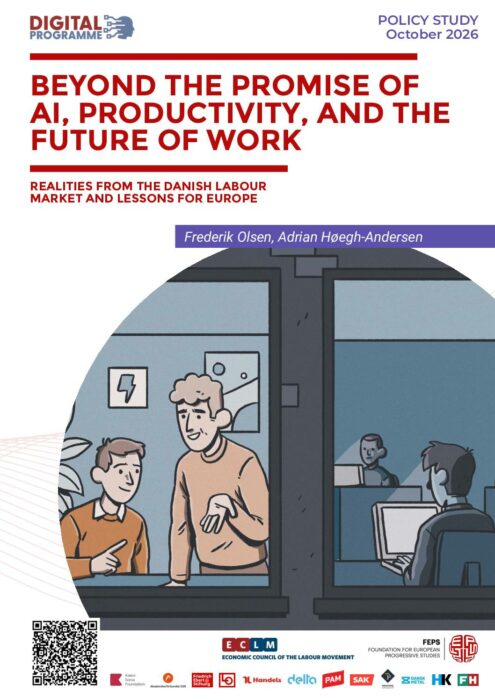
Beyond the promise of AI, productivity and the future of work

Realities from the Danish Labour Market and lessons for Europe
21/10/2026

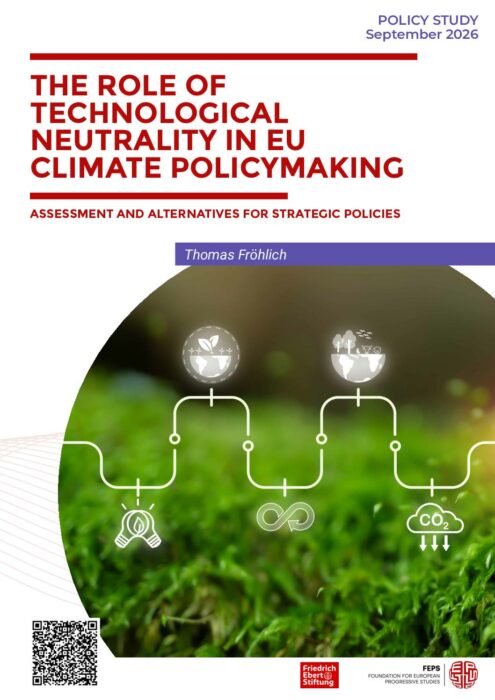
The role of technological neutrality in EU climate policymaking

Assessment and alternatives for strategic policies
13/10/2026

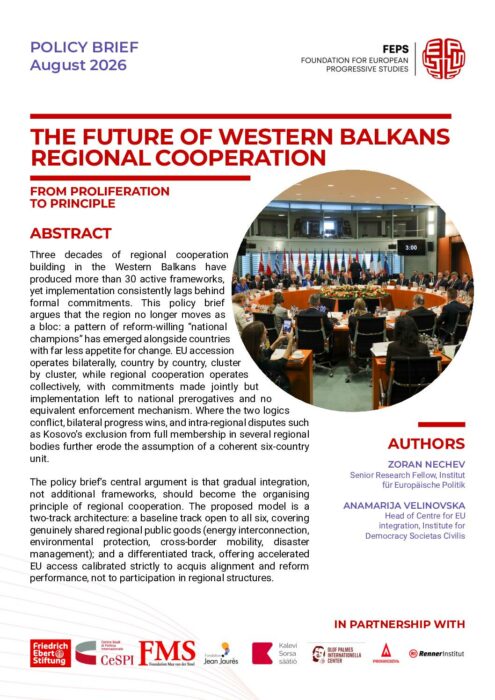
The future of Western Balkans regional cooperation

From proliferation to principle
Find all related Progressive Post
Progressive Post

28/10/2026

Serbia’s students defeat the machine

A mandate to dismantle the captured state
28/10/2026

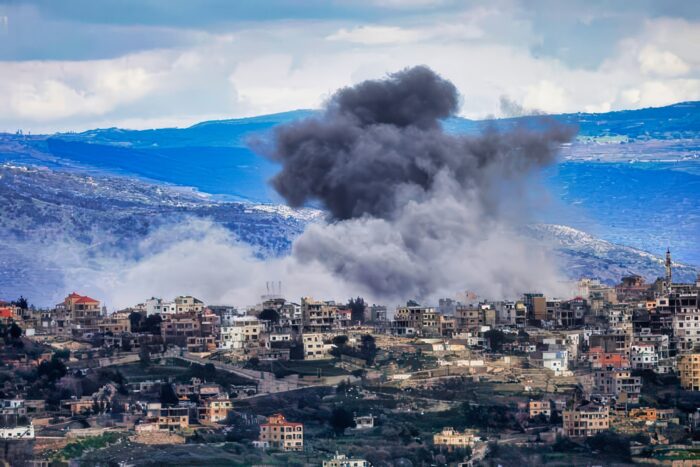
No peace in Lebanon without strong allies

It came as little surprise that Lebanon once again became a battleground in the regional […]
22/10/2026

Lessons from Maricarmen

The case of Maricarmen Abascal, an 87-year-old woman from Madrid who passed away just days […]
Find all related news
News
30/10/2026

FEPS Reacts: The new EU Framework for Climate Resilience

Necessary foundations but little action
23/10/2026

Notice of vacancy – Policy Analyst on Gender Equality

Apply before 23 November 2026
16/09/2026

FEPS Reacts: State of the European Union 2026

The 2026 State of the Union felt more like ‘von der Leyen I’ than ‘von […]
23/07/2026

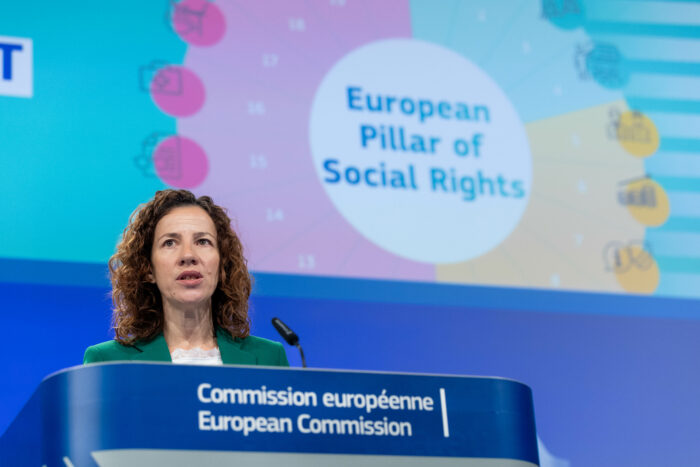
FEPS Reacts: European Commission communication on the Action Plan on the European Pillar of Social Rights

By Laszlo Andor, FEPS Secretary-General & François Balate, Policy Analyst on Social The communication on the […]
Find all related in the media
In the media

Frågan om jämställdhet splittrar unga svenskar

by dagens arena 29/10/2026
"The issue of gender equality divides young Swedes" - FEPS Policy Analyst on Democracy Matteo Dressler discusses the findings of the EqualiZe policy study in the Swedish context.

Brazil’s Lula survives Bolsonaro scare, safeguarding EU democratic ally on climate and trade

by EUobserver 26/10/2026
Read EUobserver's analysis of what comes next after Brazil's elections, which includes comments from Thainá Leite, Project Coordinator at FEPS

Франција е Франција – но Франција е и Европа

by Racin.mk 21/10/2026
“France is France – but France is also Europe.” In an opinion piece for Racin.mk, László Andor, Secretary General of FEPS, argues that France’s youth protests, set against a latent budget crisis and growing precarity (schools, housing), risk benefiting Marine Le Pen, and that France, despite bending the EU’s fiscal rules, has also propped up European growth.

La Regina, il problema dei divari territoriali è una questione europea

by Regione Basilicata 22/09/2026
“La Regina: territorial disparities are a European issue” News article published by ANSA (IT), featuring Raffaele La Regina, participant in the FEPS Young Academics Network, discussing territorial and social inequalities across Europe, the need to reconcile competitiveness and cohesion, and the role of European cohesion policy, industrial policy and investment in ensuring that no region is left behind.