Millennial Dialogue

The long-standing research project of FEPS “The Millennial Dialogue” brought about fascinating insights with regards to the aspirations and expectations of the so-called Millennial generation (those aged 15 – 35, born between 1980 – 2000) towards politics and political systems.

Going beyond the usual labels of ‘lazy’ and ‘apathetic’, the global youth engagement initiative of FEPS myth busted the common negative perceptions attributed to this generation. The research showed that even though young people are disillusioned with the current state of politics they are also optimistic and ready to engage in a constructive debate for its improvement. FEPS Millennial Dialogue research initially launched in Europe and its gradual expansion all over the world consistently showed that Millennials want more and are expecting more from their governments, traditional political institutions and the European Union.

21/06/2018

The long-standing research project of FEPS “The Millennial Dialogue” brought about fascinating insights with regards to the aspirations and expectations of the so-called Millennial generation (those aged 15 – 35, born between 1980 – 2000) towards politics and political systems.

Going beyond the usual labels of ‘lazy’ and ‘apathetic’, the global youth engagement initiative of FEPS myth busted the common negative perceptions attributed to this generation. The research showed that even though young people are disillusioned with the current state of politics they are also optimistic and ready to engage in a constructive debate for its improvement. FEPS Millennial Dialogue research initially launched in Europe and its gradual expansion all over the world consistently showed that Millennials want more and are expecting more from their governments, traditional political institutions and the European Union.

Find all related Progressive Post
Progressive Post
12/10/2026

A wider European Union must also be a deeper one

The EU needs a credible plan for governing an enlarged Union, not an assumption that […]
08/10/2026

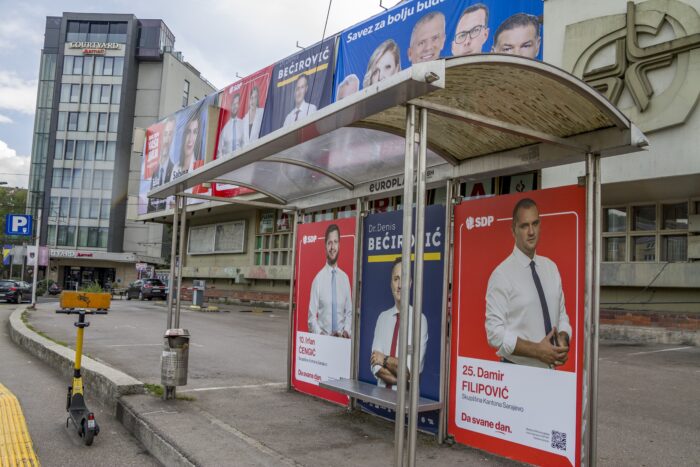
The vote is harder to steal, but politics remains hard to change

Bosnia and Herzegovina's 2026 elections
Find all related Magazine
Magazine
  • cover book

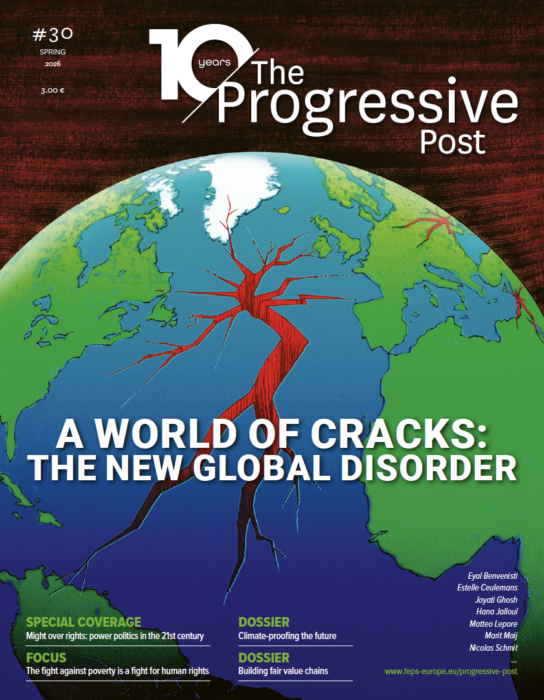
    Issue #30 Progressive Post

Issue #30

A world of cracks: the new global disorder
  • cover book

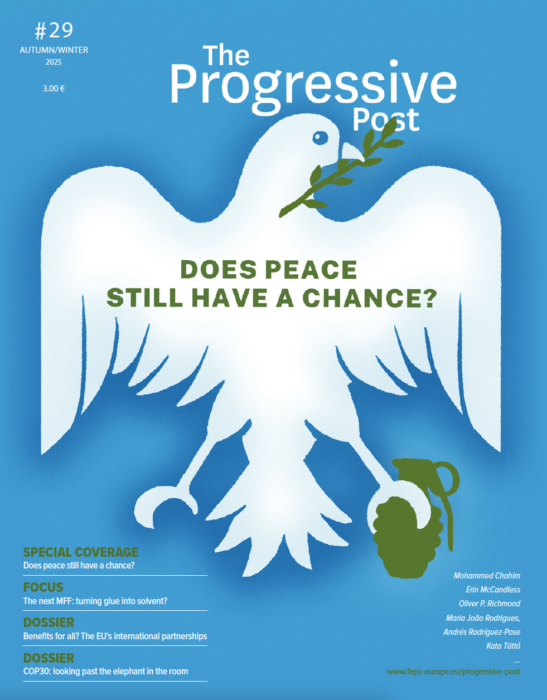
    Issue #29 Progressive Post

Issue #29

Does peace still have a chance?
Find all related publications
Publications
13/10/2026

The future of Western Balkans regional cooperation

From proliferation to principle
06/10/2026

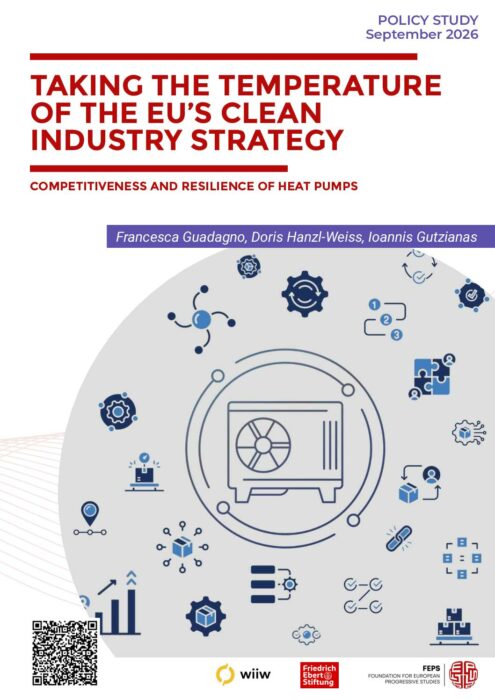
Taking the temperature of the EU’s clean industry strategy

Competitiveness and resilience of heat pumps
01/10/2026

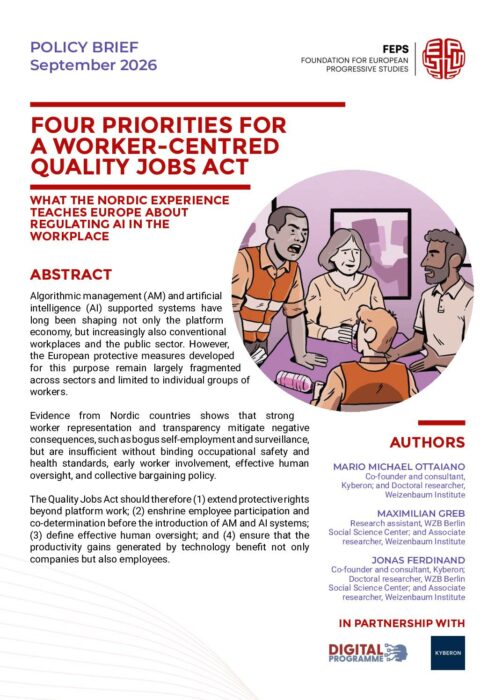
Four priorities for a worker-centred Quality Jobs Act

What the Nordic experience teaches Europe about regulating AI in the workplace
28/08/2026

How can Europe’s missing middle be financed

Translating Chinese lessons for scaling industrial innovation
Find all related news
News
16/09/2026

FEPS Reacts: State of the European Union 2026

The 2026 State of the Union felt more like ‘von der Leyen I’ than ‘von […]
23/07/2026

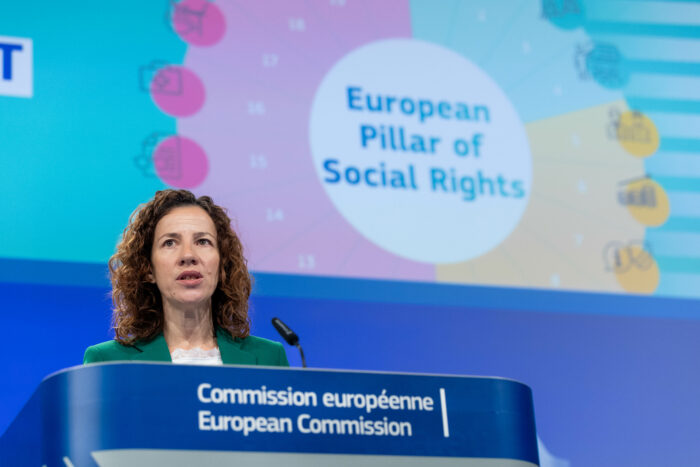
FEPS Reacts: European Commission communication on the Action Plan on the European Pillar of Social Rights

By Laszlo Andor, FEPS Secretary-General & François Balate, Policy Analyst on Social The communication on the […]
08/07/2026

Letter to Manfred Weber, Chair of the EPP Group, by FEPS President Nicolas Schmit 

Dear Mr Weber, You are European, but also German. One should be entitled to expect […]
23/06/2026

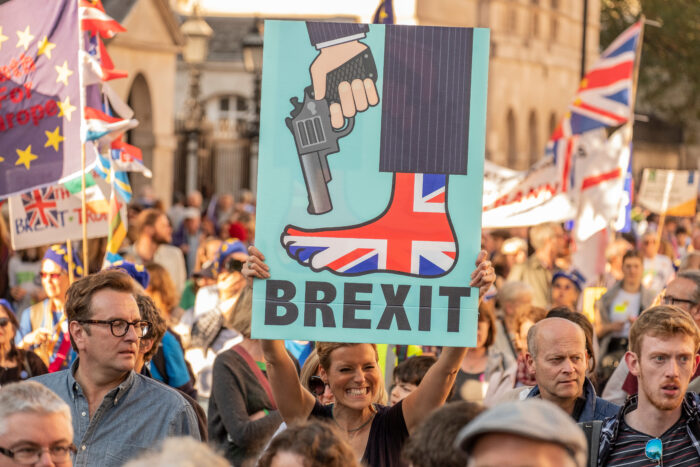
FEPS Reacts: 10 years after Brexit

Written by FEPS Secretary-General László Andor 🔸 Brexit has been a case study in national self-harm. The […]
Find all related in the media
In the media

La Regina, il problema dei divari territoriali è una questione europea

by Regione Basilicata 22/09/2026
“La Regina: territorial disparities are a European issue” News article published by ANSA (IT), featuring Raffaele La Regina, participant in the FEPS Young Academics Network, discussing territorial and social inequalities across Europe, the need to reconcile competitiveness and cohesion, and the role of European cohesion policy, industrial policy and investment in ensuring that no region is left behind.

Канадскиот гамбит на Фон дер Лајен

by Racin.mk 21/09/2026
“Von der Leyen’s Canadian gambit” Opinion article by László Andor, FEPS Secretary General, published in Racin.mk (MK), analysing the EU’s growing rapprochement with Canada, the shift from geopolitics towards geoeconomics, and the need for Europe to reduce its dependence on the US while strengthening multilateralism. Andor also examines the Commission’s economic and social priorities, highlighting the need for stronger attention to living costs, labour and social policy.

Biztonságpolitika? Az a NATO dolga – EU-s biztosok értékelték Ursula von der Leyen beszédét

by Telex 21/09/2026
“Security policy? That’s NATO’s job – former EU Commissioners assess Ursula von der Leyen’s speech”. Article published in Telex (HU), featuring László Andor, FEPS Secretary General, analysing Ursula von der Leyen’s State of the Union address and discussing Europe’s economic competitiveness, investment gap, strategic vulnerabilities, AI, migration and the EU’s changing geopolitical position.

EU’s new cross‑border work rules favour recruitment, not workers, say critics

by EUObserver 16/09/2026
FEPS Policy Analyst on Social François Balate discusses the latest EU Labour Mobility Package under Commissioner Roxana Mînzatu zatu for the EUObserver.