
Policy Study
04/11/2026
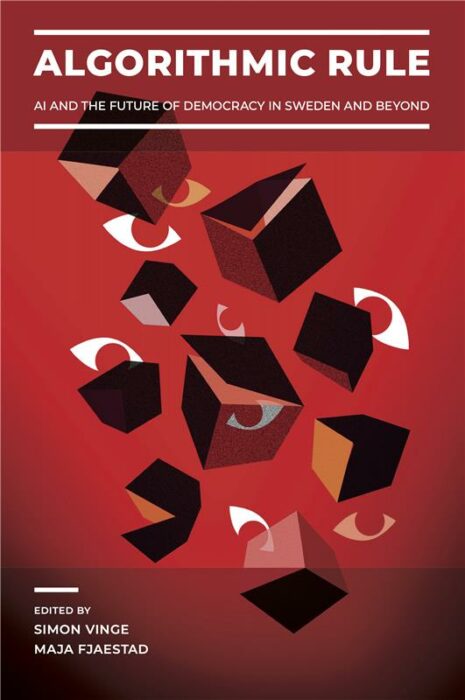
Artificial intelligence (AI) and automated decision-making (ADM) are increasingly used across a growing range of societal domains, including public administration. They are shaping how public authority is exercised and how civil servants carry out their work.
This policy study looks at cases from the Finnish, Norwegian and Swedish public sectors to analyse how AI and ADM work in practice. Based on interviews, desk study and cross-case comparison, the policy study suggests that the main challenges in public-sector AI and ADM are rarely technological. Instead, they are related to organisational capability, professional discretion and judgment, legal interpretation, procurement, accountability, and public trust.
Automation does not replace human judgment. Rather, across the cases, it shifts judgment and accountability between technological systems, organisations and civil servants. Automation may make routine processing more efficient, but it also creates new forms of work and organisational complexity.
In addition to cross-case analysis, the policy study includes recommendations for public organisations and European policymakers on governing AI and ADM in ways that strengthen public value, fairness, accountability and democratic governance.
This publication was launched at the FEPS-Nordic Digital Programme closing conference in Stockholm.
This policy study is part of the FEPS–Nordic Digital Programme, a collaborative research and policy initiative led by the Foundation for European Progressive Studies (FEPS) in cooperation with Nordic think tanks and trade unions.
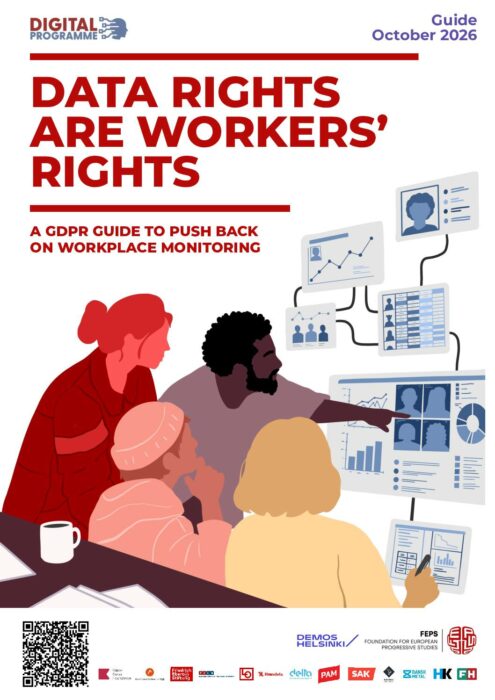
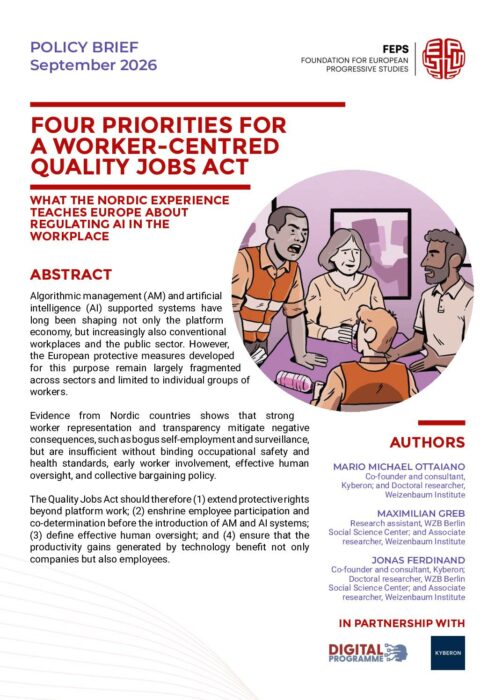
In 2025-2026, the programme has continued to focus on AM at the workplace, but also examined the impact of AI on decision-making, the public sector and worker productivity, empowering workers and shaping a fairer digital future.
Network












Related events
Find all related publications
Publications
Find all related Progressive Post
Progressive Post


Find all related events
Events



Find all related Audiovisual
Audiovisual
20/07/2026
20/07/2026