
How are Populist Movements attracting Millennials and why?

On the 29th September 2016, the Foundation for European Progressive Studies (FEPS) in partnership with […]

01/01/2017

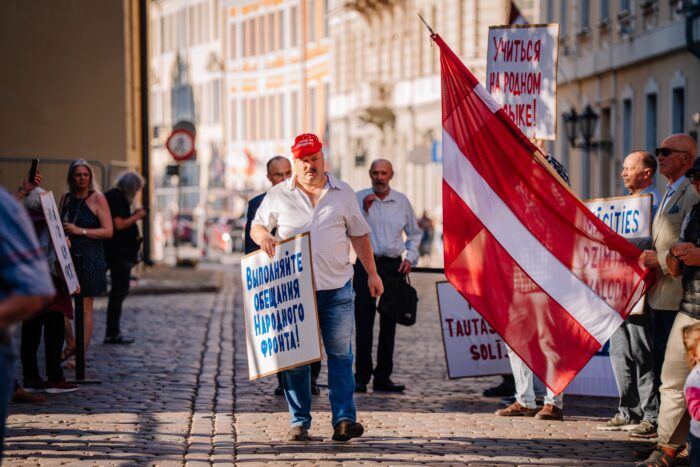
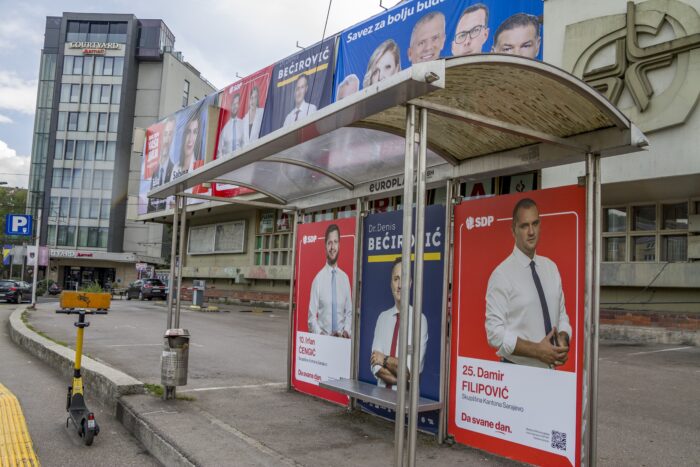
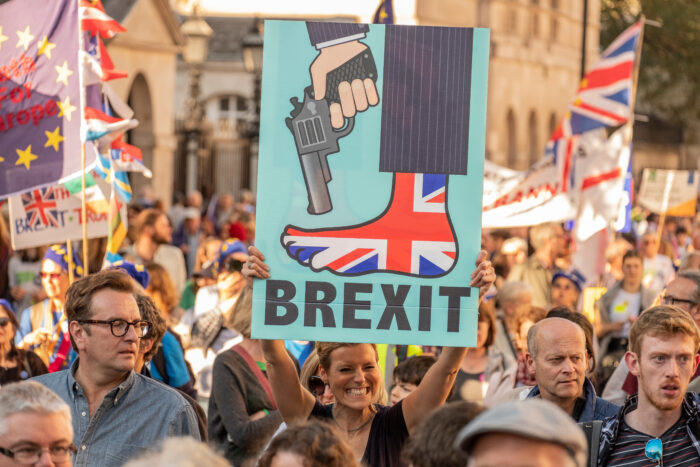
On the 29th September 2016, the Foundation for European Progressive Studies (FEPS) in partnership with Policy Solutions organised a public debate that aimed at shedding a deeper understanding as to why populism – as a phenomena – seemingly galvanizes the younger generation of voters – the so called Millennials (aged 15-35, born between 1980-2000). The question that served as the basis of the debate was prompted by the striking results of the Millennial Dialogue report on France and Hungary that showed a striking surge in support towards parties in the extremes of the political spectrum. 

The event also served as an opportunity at first for FEPS and Policy Solutions to launch the Populism Tracker website, a joint initiative that provides an pan-European overview of the populist trend in the European Union and secondly, the presentation of the 2nd edition of the Progressive Post magazine that focused on the topic of the Millennial Generation and their expectations towards politics and Europe.

Read the activity report

Network
Policy Solutions
Find all related publications
Publications
11/05/2026

Place-based industrial policy

Places, people and power in European industrial policy
17/04/2026

The open future and its enemies

How we can protect free society from AI dictatorship
17/04/2026

EqualiZe

Gender differences in political opinion and voting among Generation Z
27/03/2026

Laboratories of counter-hegemony

Orbán, Trump and the transatlantic far-right ecosystem
Find all related news
News
13/04/2026

Hungary’s civic revolution

FEPS' commentary on the outcomes of the Hungarian election
05/03/2026

The new EU Gender Equality Strategy 2026-2030

Commentary by the Feminist Foreign Policy Progressive Voices Collective (FFPPVC)
03/03/2026

Wag the dog?

FEPS commentary on the US-Israel attack on Iran
03/03/2026

Closing ceremony of the Progressive Ukraine programme

The graduation ceremony completed the programme which was part of the Open Progressive University (OPU).
Find all related in the media
In the media

Ue, la competitività non è nulla senza i diritti sociali

by La Repubblica 06/05/2026
"In the EU, competitiveness is nothing without social rights" In this article published in La Repubblica, former European Commissioners Nicolas Schmit (FEPS President), László Andor (FEPS SecGen) and Anna Diamantopoúlou (part of FEPS' Bureau) remind European leaders that deregulation will only make Europe poorer and that only social sovereignty will make it stronger

Une révolution civique, pas encore une révolution sociale

by Fondation Jean-Jaurès 06/05/2026
“A civic revolution, not yet a social revolution” Interview with László Andor, FEPS Secretary General, published by Fondation Jean-Jaurès (FR), analysing the electoral defeat of Viktor Orbán, the emergence of a broad opposition movement in Hungary, and the prospects for democratic renewal, EU relations and social change following what he describes as a “civic revolution” that has yet to deliver a social transformation.

Nincs versenyképesség szociális jogok nélkül

by Népszava 06/05/2026
"No competitiveness without social rights" In an article published in Népszava, former European Commissioners Nicolas Schmit (FEPS President), László Andor (FEPS Secretary General), and Anna Diamantopoúlou (FEPS Bureau member) issue a firm reminder to European leaders, deregulation will only serve to make Europe poorer. They argue that the continent's true strength lies not in market dilution, but in social sovereignty.

Anna Diamantopoúlou, Nicolas Schmit und László Andor über eine Wettbewerbsfähigkeit, die ohne soziale Rechte wertlos ist

by Tageblatt 06/05/2026
"Competitiveness is nothing without social rights" In this article published in Tageblatt, Former European Commissioners Nicolas Schmit (FEPS President), László Andor (FEPS SecGen), and Anna Diamantopoulou (FEPS Bureau member) warn EU leaders that deregulation is a path to economic decline. They argue that Europe’s true strength lies not in cutting rules, but in achieving social sovereignty