FEPS Newsletter 10 Nov 2025 – 🌱 Priorities for a Just Transition at COP30

From fossil fuels to clean energy – If you have problems displaying this email, follow […]

10/11/2025
From fossil fuels to clean energy –

If you have problems displaying this email, follow this link

Just Transition

In a context of intensifying climate and biodiversity crises, global action and policies seem too slow in delivering progress. Nevertheless, they are essential tools to achieve a global Just Transition to societies that operate within planetary boundaries and promote sustainable development goals and justice.


From COP30 to trade partnerships with developing and emerging countries, the EU has a key role to play to foster multilateralism and equitable international policies. Coherence across policy areas is essential to achieve real progress and improve trust between countries.

15 OCT – BRASILIA, BRAZIL

EU and Brazilian perspectives on a Just Transition match-making platform for COP30

From dialogue to bankable pipelines

An event by FEPS and Plataforma CIPÓ 


One month before COP30 in Brazil, FEPS organised a seminar in Brasilia, which explored the challenges and priorities for a Just Transition at COP30 and the idea of creating a Just Transition Match-Making Platform.

EU and Brazilian perspectives on a Just Transition match-making platform for COP30
Governing the global just transition from fossil fuels to clean energy

On this occasion, we also launched the policy brief “Governing the global Just Transition from fossil fuels to clean energy, which outlines the key challenges and targets that will be discussed in Belém under the Brazilian presidency, the justice principles that need to guide discussions and policy recommendations that the EU should champion.


This policy brief is part of the FEPS-Friedrich-Ebert-Stiftung (FES) Climate Programme.

8 NOV – SANTA MARTA, COLOMBIA

EU-LAC dialogue on Just Transition and trade

An event by FEPS, FES Just Climate and SOLIDAR


In the context of the fourth EU-CELAC Summit and the EU-LAC Civil Society Forum, this event brought together civil society organisations, trade unions, indigenous and feminist groups, and official representatives from both regions. It was the opportunity to present the declaration for a bi-regional partnership centred on Just Transition, developed by SOLIDAR in collaboration with key EU and LAC stakeholders.

EU-LAC Dialogue on Just Transition and Trade
Events

Upcoming events

See full schedule

Africa Day 2025
 

📅  15 NOVEMBER

📍  AMSTERDAM, NETHERLANDS

Africa Day 2025
FEPS fringe sessions

This year’s Africa Day will be on “Africa in a new global order”. 


FEPS will host a series of fringe sessions on its own FEPS global stage, as well as on the main stage:

  • The power of pride: Defending LGBTIQ+ rights in a changing world
  • The EU and Africa in a new global order
  • Digital frontlines: Youth putting climate on the agenda in North Africa 
  • Reshaping development partnerships: Aligning the EU’s global gateway with Africa’s priorities 
  • The erosion of migration governance: A Progressive Migration Group panel

Get your tickets now!

Call to Europe Denmark 2025
 

📅  29 NOVEMBER

📍  COPENHAGEN, DENMARK

Call to Europe Denmark 2025
Well-being for all

With the Danish Presidency of the Council of the EU, a new opportunity emerges to place “Well-being for all” at the heart of Europe’s future, which means building a Europe that delivers for people.


With panels on:

  • Promoting well-being for young workers
  • Advancing human security in a changing geopolitical context 
  • Building a resilient Energy Union for all

 Register now!

Past events

See all past events

5 NOV – EUROPEAN ECONOMIC AND SOCIAL COMMITTEE HQ

Understanding the power of AI over decisions

Fostering a better understanding of AI’s implications for employment 

An event by FEPS and the Workers’ Group at the EESC


At the EESC, this event kicked-off the new phase of the longstanding FEPS-Nordic partners Digital Programme and delved into conversations on an EU initiative for algorithms at the workplace and how to develop a capacity-building toolkit to support trade unions in their response to algorithmic management and AI in the workplace.

Understanding the power of AI over decisions
Algorithmic rule

The event also launched the new book “Algorithmic rule. This book explores what can be described as “algocracy” – rule by algorithms.


We need a progressive algorithmic future, an alternative that resists surrendering sovereignty to Big Tech. Transparency is essential, but it is not enough; the deeper challenge is to ensure that citizens and workers themselves influence the algorithms that govern them.

🎨 We also launched the exhibition ‘My boss, the algorithm which brings to life the real testimonies of workers under algorithmic management. You can still attend this exhibition at the EESC – just make sure to register before you go!

4-6 NOV – DOHA, QATAR

Rethinking pre-distribution and fiscal policies to advance social justice

Solutions session during the Second World Summit for Social Development (WSSD)

FEPS co-hosted this panel, in collaboration with International Budget Partnership, NETRIGHT and UNRISD


As part of the Second World Summit for Social Development 2025, FEPS co-hosted the panel “Rethinking pre-distribution and fiscal policies to advance social justice”, which explored innovative pre-distribution and redistribution policies.

Rethinking pre-distribution and fiscal policies to advance social justice
Towards a global Pact for the Future with a stronger Social Pillar

The new policy brief “Towards a global Pact for the Future with a stronger Social Pillar“, launched at the Summit, assesses the global social state of play and outlines proposals for a bolder EU leadership on the international scene.


The quest for a new Social Contract has never been so strong globally. The EU, drawing on its own European Pillar of Social Rights and “Social Model”, should proactively sustain this quest for a renewed social contract worldwide.

 
Progressive Post

EUROPEAN PROGRESSIVE OBSERVATORY

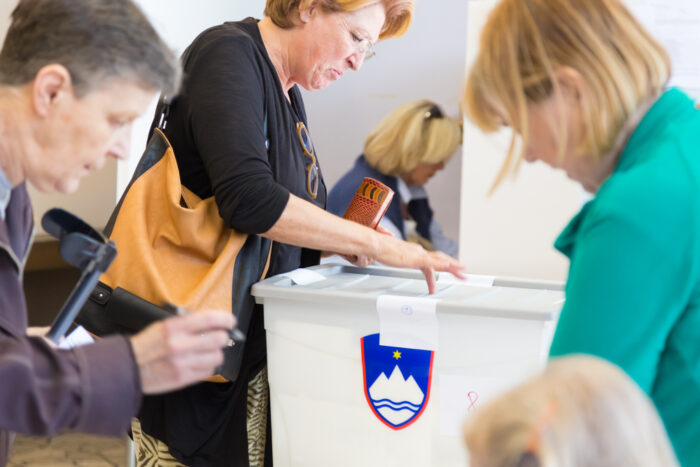
Elections in the Netherlands

Not all is as it seems


Despite appearances, the Dutch elections were no setback for the far right. It’s now more fragmented across parties, but its agenda is more mainstream than ever.

Elections in the Netherlands

Photo credits: Shutterstock / Dutchmen Photography

Read the EPO analyses:

📚 Read more.


Was this email forwarded to you?

Copyright © 2025 FEPS Europe, All rights reserved.

You are receiving this email because you participated in one of FEPS’ events and/or have registered for FEPS’ newsletter.

If you wish not to receive FEPS’ communications anymore, please click here: unsubscribe now


Foundation for European Progressive Studies
Avenue des Arts, 46 – 1000 Bruxelles

+32 223 46 900 – info@feps-europe.eu

Find all related Progressive Post
Progressive Post
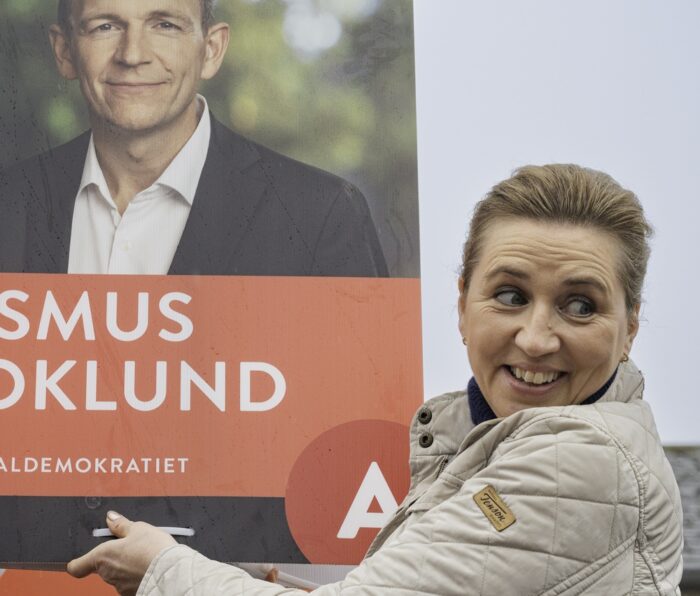
05/03/2026

Poverty is not a fatality

In 2024, more than 93 million Europeans, representing 21 per cent of the EU-population have […]
05/03/2026

Poverty is the result of political choices

On 12 February, the European Parliament voted on the report of the parliament’s committee on […]
Find all related Magazine
Magazine
  • cover book

    # Issue 29 Progressive Post

# Issue 29

From the war in Ukraine to the devastation of Gaza since 2023, the words ‘war’ […]
  • cover book

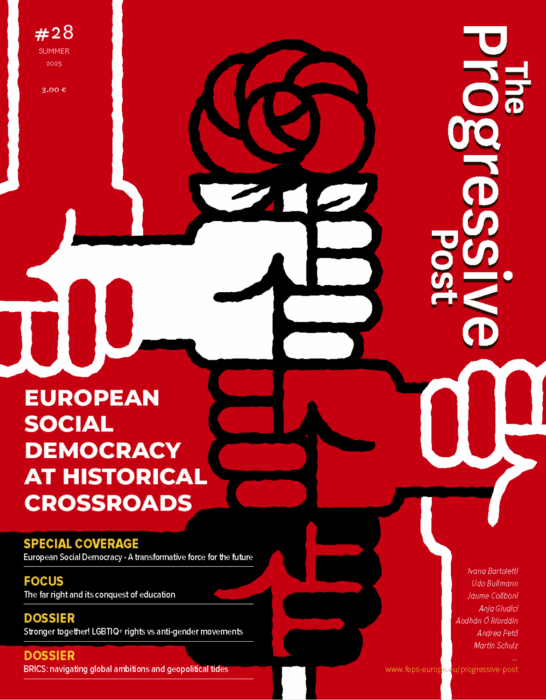
    # Issue 28 Progressive Post

# Issue 28

European Social Democracy at historical crossroads
  • cover book

    #Issue 27 Progressive Post

#Issue 27

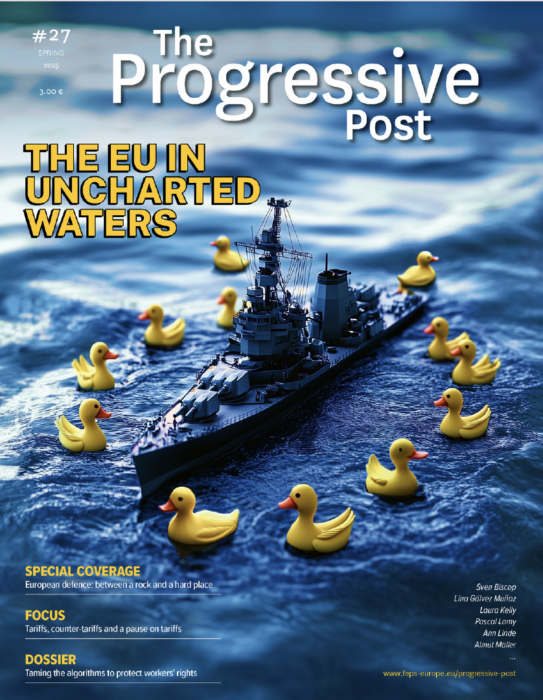
The EU in uncharted waters
Find all related publications
Publications
03/03/2026

Digital sovereignty and a new multilateralism for the AI era

Artificial intelligence (AI) is transforming not only economies but the very nature of global power, […]
03/03/2026

Progressive pathways for a resilient (re)construction of Ukraine: Towards a new social contract

This policy study places labour at the centre of reconstruction planning for Ukraine as the […]
03/03/2026

European sovereignty and the social dimension

Reasserting Europe’s social-democratic model in turbulent times
29/01/2026

Progressive Yearbook 2026

In an eerie manner, 2025 resembled the ‘time of monsters’, which, according to the great […]
Find all related news
News
05/03/2026

FFPPVC commentary on the new EU Gender Equality Strategy 2026-2030

Commentary by the Feminist Foreign Policy Progressive Voices Collective (FFPPVC)
03/03/2026

Wag the dog?

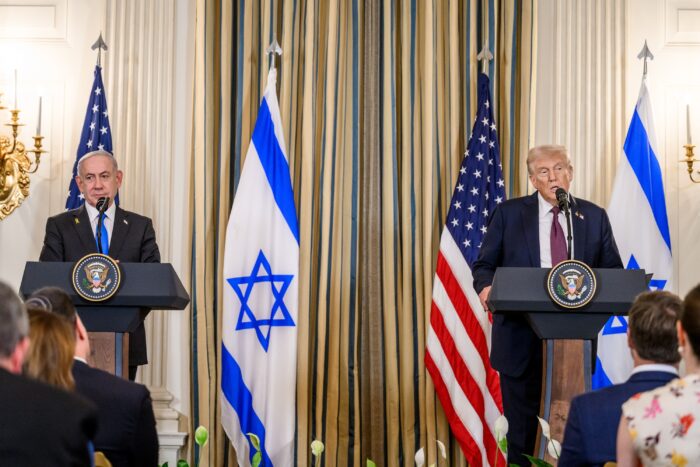
FEPS commentary on the US-Israel attack on Iran
03/03/2026

Closing ceremony of the Progressive Ukraine programme

The graduation ceremony completed the programme which was part of the Open Progressive University (OPU).
29/01/2026

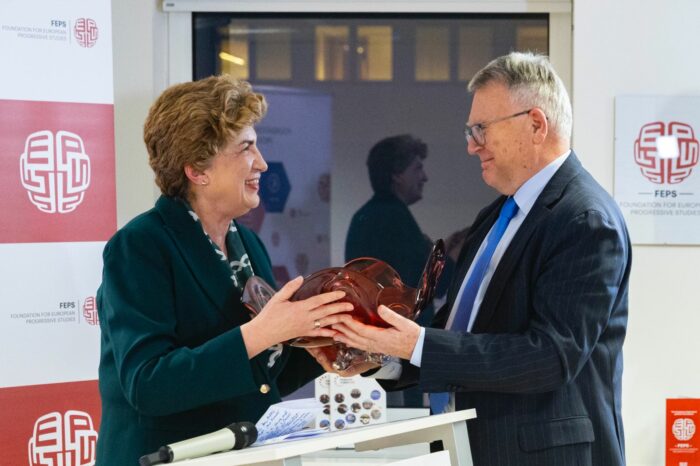
Maria João Rodrigues departs from FEPS Presidency, transitions to Nicolas Schmit

After completing eight years in the role, Maria Joâo Rodrigues has departed the role of […]
Find all related in the media
In the media

Africa and Europe Must Rethink Clean Energy Partnership After COP30 Setback

by News Ghana 27/02/2026
Read this article from News Ghana on the highlights of FEPS' event "Governing the global just transition", where diverse stakeholders discussed the EU's role in supporting a just transition from fossil fuels to clean energy in Africa

EUfória podcast Andor Lászlóval: Mire képes az EU saját erejéből és mennyire van kiszolgáltatva a világnak?

by EUrologus 26/02/2026
Listen to the EUfória podcast with László Andor, Secretary General of FEPS, on what the EU can achieve on its own, how to tackle its competitiveness challenge and how the Hungarian government’s stance shapes the EU’s image.

Can the EU ever become a superpower?

by Euronews 20/02/2026
In this episode of the podcast Brussels, My Love, FEPS President Nicolas Schmit discusses the informal meeting of the Antwerp European Industrial Summit and the Munich Security Council.

España los forma, Europa los contrata: así es el mapa de la nueva fuga de cerebros

by El Confidencial 10/02/2026
Spain trains them, Europe hires them: the map of the new brain drain: László Andor, FEPS Secretary-General, discusses the 'brain drain' as a result of the EU’s single market and highlights the need for a fairer mobility and retention strategy across the EU.