FEPS Weekly Newsletter 11 Nov 2022

📅FEPS Weekly Newsletter Share Tweet Share Share Preview US-EU, energy, twin transition, global governance, migration, […]

11/11/2022
📅FEPS Weekly Newsletter
Preview
US-EU, energy, twin transition, global governance, migration, Call to Europe, and much more!
 ‌ ‌ ‌ ‌ ‌ ‌ ‌ ‌ ‌ ‌ ‌ ‌ ‌ ‌ ‌ ‌ ‌ ‌ ‌ ‌ ‌ ‌ ‌ ‌ ‌ ‌ ‌ ‌ ‌ ‌ ‌ ‌ ‌ ‌ ‌ ‌ ‌ ‌ ‌ ‌ ‌ ‌ ‌ ‌ ‌ ‌ ‌ ‌ ‌ ‌ ‌ ‌ ‌ ‌ ‌ ‌ ‌ ‌ ‌ ‌ ‌ ‌ ‌ ‌ ‌ ‌ ‌ ‌ ‌ ‌ ‌ ‌ ‌ ‌ ‌ ‌ ‌ ‌ ‌ ‌ ‌ ‌ ‌ ‌ ‌ ‌ ‌ ‌ ‌ ‌ ‌ ‌ ‌ ‌ ‌ ‌ ‌ ‌ ‌ ‌ ‌ ‌ ‌ ‌ ‌ ‌ ‌ ‌ ‌ ‌ ‌ ‌ ‌ ‌ ‌ ‌ ‌ ‌ ‌ ‌ ‌ ‌ ‌ ‌ ‌ ‌
Upcoming Events
Events
Implications for US democracy, the EU, and global politics
16 November – Brussels, Belgium

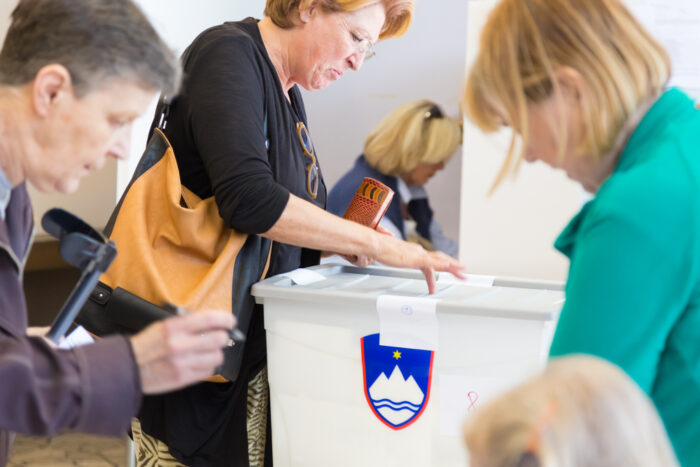
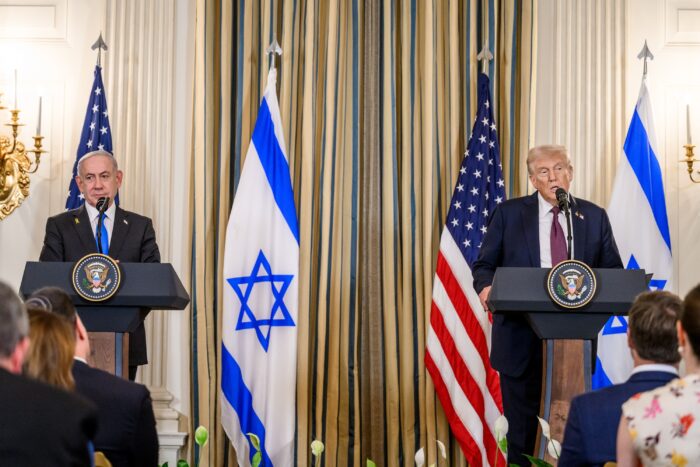
The US mid-term elections that took place this week are crucial to define the state of democracy in the US, its influence and ability to shape international politics.

In the context of rising polarisation, how to interpret the outcome of the mid-term elections, and what are the implications for US internal politics and external relations?

To analyse this, FEPS and the German Marshall Fund (GMF) will bring together leading European and US experts and policymakers at the State of the Unions conference, a platform to promote better coordination and collaboration between the transatlantic partners.
21 November – Barcelona, Spain

This public conference in Barcelona by FEPS and the Rafael Campalans Foundation will analyse the Twin Transition from both a global and a local perspective.

The event is composed of two panels:
  • The first launches the Policy Study by FEPS and United Nations University “The EU and Northern Africa: together towards a Twin Transition?”. It will take a deep dive into the EU’s green and digital policies vis-à-vis North Africa: has the EU been able to unite the two successfully? And what about Northern Africa? Is there an alignment and tangible impact that is necessary to tackle the global problem of climate change?
  • The second panel will instead zoom in on the local level: (smart) cities. The conference capitalises on the political momentum of the Smart City Expo, taking place in Barcelona.
21 November – Brussels, Belgium

Energy prices are soaring. The risk of poverty is increasing. Millions of Europeans already live in energy poverty, struggling to pay bills and live a decent life. While the Russian Federation’s horrific invasion of Ukraine has shifted the geopolitics of decarbonization, the EU’s ambitions to tackle the structural causes of energy poverty and accelerate the transition to renewable energy are under threat.

SOLIDAR, FEPS, Social Platform, and Friedrich-Ebert-Stiftung (FES) are hosting a roundtable to ask: What can the EU do to rapidly respond to the needs of the energy crisis without sacrificing the just energy transition?
28 November – Prague, Czech Republic

EU Commissioner for Jobs and Social Rights, Nicolas Schmit, will be one of the speakers of this new edition of Call to Europe that will take place in Prague, organised by FEPS, Masarykova Demokratická Akademie, and Friedrich-Ebert-Stiftung.

It will bring together policymakers, academic experts, and activists to discuss not only the current crisis of living costs and the state of play for Social Europe, but also how European social and economic policy should be shaped so that all Europeans can have a decent quality of life.

Prior to the public conference, FEPS member foundations are invited to join a discussion on social democracy in central and Eastern Europe, followed by a closed-door roundtable on the energy crisis.
10 November, Sharm El-Sheikh, Egypt

At this COP27 side event, we discussed how a just transition implies the need for a deep restructuring of financial flows. We need to put in place multiple building blocks. First, we need a proper understanding of the sectoral requirements in the most challenging geographies, especially in the developing world.

Then, we need to understand how we can use possible financial pathways in the Global North and find partners in the Global South.
Financial solidarity is key to achieving climate justice for all: we must align international financial regulations, standards, and norms with green requirements.

Watch this COP27 side event to get more answers to this question!

🧵Find some of the highlights from the debate in this Twitter thread.
PAST EVENT
Preparing for a new global governance and a Pact for the Future
7 November – FEPS Headquarters, Brussels

A UN Summit of the Future to adopt a Pact for the Future will take place in September 2024. To support the preparatory process towards this summit, think tanks worldwide, such as the Washington DC-based Stimson Center, prepared ground-breaking research.

At the event this week, FEPS presented the Stimson Center’s report with twenty ideas intended to encourage more ambitious, forward-looking thinking on global governance renewal.

Speakers included Ann Linde, Former Minister for Foreign Affairs of Sweden, Adam Day, UN University and Co-lead of the HLAB on Effective Multilateralism, and Richard Ponzio, Stimson Center Director for Global Issues.

🧵Read some of the takeaways from this event in this Twitter thread.

🇺🇳FEPS has been working for a long time on reforming multilateralism; more about it here.
7 November – Rome, Italy

This was the last one of the series of events that have been taking place around Europe in the last two months.

FEPS, FES and the European Policy Centre (EPC) have been jointly working on a research project on disinformation on migration.

📺 Don’t miss our latest material: an animated video on how to fight disinformation in the EU!

📚We produced a series of studies in 2020 and 2021. A third one will be ready soon.
EUROPEAN PROGRESSIVE OBSERVATORY
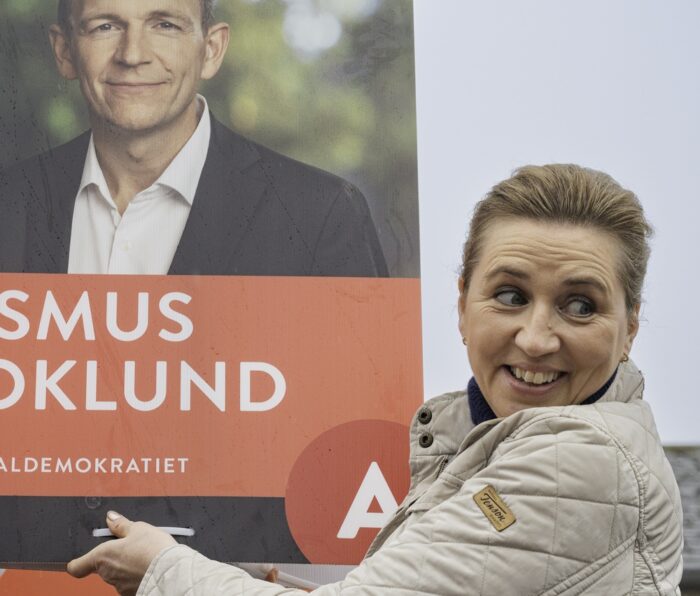
The Danish gambit: snap elections reconfirm the lead for Social Democrats

On 1 November, Danish voters were called to choose the 179 members of the Folketing in snap elections. The preceding campaign proved very challenging, both because of the international and European contexts and the domestic situation. As many as 14 parties competed, a political fragmentation which additionally induced the already high volatility of the Danish electorate, seeing, this time, 50 per cent of voters changing their political preferences.

In the end, the electoral night saw the incumbent Prime Minister Mette Frederiksen achieving the best result for the Social Democrats in two decades with 27.6 per cent and 50 MPs. The ‘red block’ managed to secure 90 seats, which is a majority – even if a slim one. The result leaves Social Democrats with a question on how to build bridges, consolidating the various political stakeholders behind tough challenges that the new government will undoubtedly continue to face, especially in the combined energy and cost of living crises
. Read more

Photo credits: Shutterstock
Website
Facebook
Twitter
Youtube
Instagram


Copyright © 2022 FEPS Europe, All rights reserved.
You are receiving this email because you participated in one of FEPS’ events and/or have registered for FEPS’ newsletter.
If you wish not to receive FEPS’ communications anymore, please click here: unsubscribe now


Email Marketing by ActiveCampaign
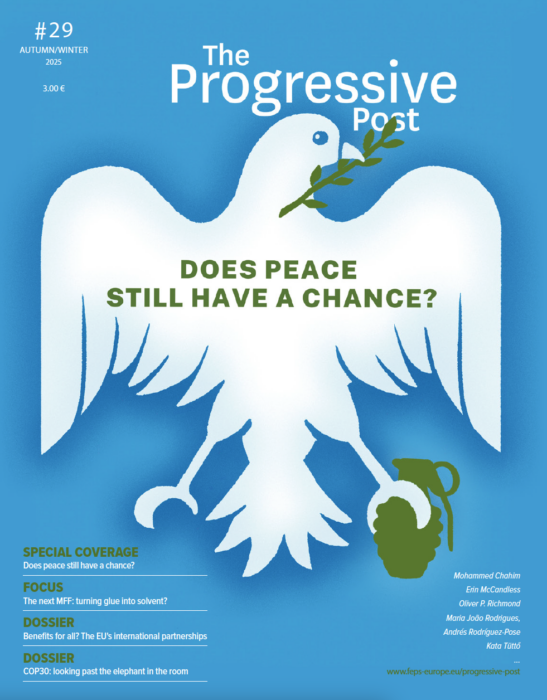
Find all related Progressive Post
Progressive Post
27/11/2025

COP30 shows that it is hard to lead when isolated

Set against the Amazon, guided by the idea of mutirão, and backed by a broad […]
27/11/2025

COP30: towards a coalition of the willing for a just transition?

Ten years after the Paris Agreement, over 80 countries are finally ready to discuss a […]
27/11/2025

Ocean action is climate action

Homework for Europe after COP30
Find all related Magazine
Magazine
  • cover book

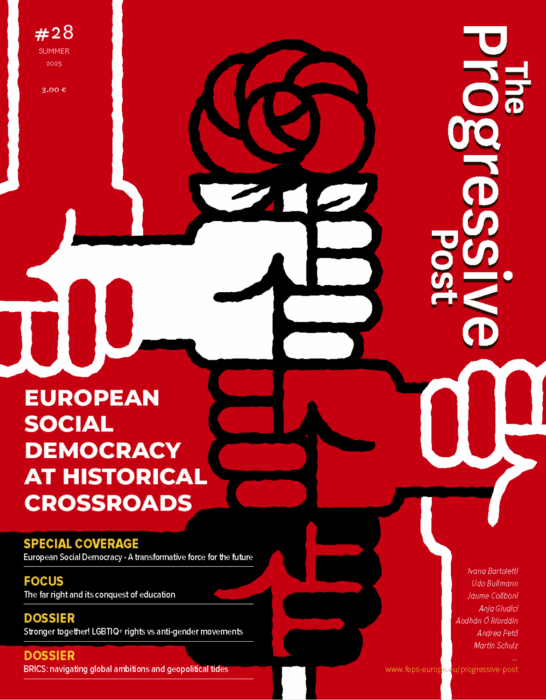
    # Issue 28 Progressive Post

# Issue 28

European Social Democracy at historical crossroads
  • cover book

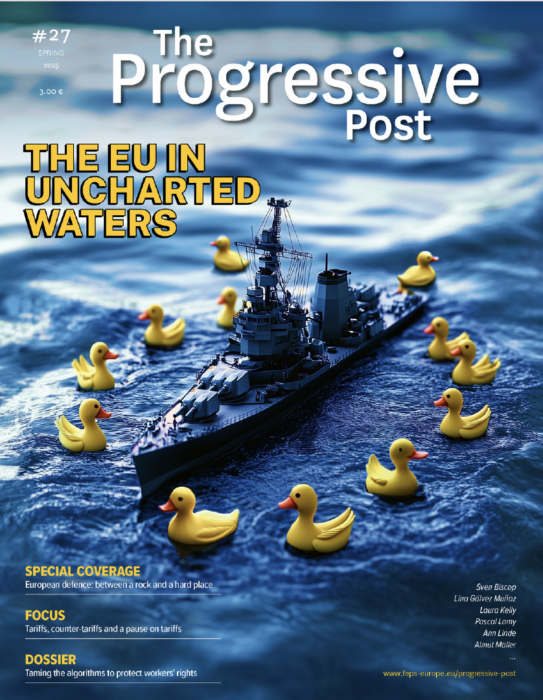
    #Issue 27 Progressive Post

#Issue 27

The EU in uncharted waters
  • cover book

    #Issue 26 Progressive Post

#Issue 26

Brace for impact
Find all related publications
Publications
28/11/2025

Smarter spending today, safer societies tomorrow

Digitally-enabled capabilities for European defence
28/11/2025

More money, more dependence?

Financing European Union defence for autonomy and cooperation
28/11/2025

ReArm Europe

The impact and role of EU arms export controls
18/11/2025

Public investment in the proposed 2028-2034 EU budget

Needs, gaps and options
Find all related news
News
04/12/2025

It is high time that the goal is set on “Quality”

FEPS commentary on the Quality Jobs Roadmap
27/11/2025

Is a bad COP outcome better than no outcome at all?

FEPS Commentary on COP30
27/11/2025

FEPS President Maria João Rodrigues at the T20 South Africa Summit in Johannesburg

Organised by the South African Institute of International Affairs (SAIIA), the Institute for Global Dialogue […]
21/10/2025

Maria João Rodrigues at PES Congress 2025

🇳🇱 🌹 FEPS attended the Party of European Socialists (PES) Congress in Amsterdam, which included […]
Find all related in the media
In the media

« La souveraineté numérique européenne est un défi d’ordre civilisationnel »

by Le Monde 15/11/2025
"European digital sovereignty is a challenge for civilisation as a whole". In an opinion piece in the newspaper Le Monde, FEPS President Maria João Rodrigues shares her concerns about European digital dependence on American and Asian giants

When Algorithms Undermine Democracy: Europe’s Wake-Up Call

by Social Europe 11/11/2025
Maja Fjaestad and Simon Vinge, co-editors of FEPS book "Algorithmic rule", wrote this op-ed on the power of algorithms and how they threaten the foundations of democratic oversight

Los mapas de las fronteras internas que alimentan el voto ultra en Europa

by El Confidencial 13/10/2025
"The internal border maps that fuel the far-right vote in Europe" - FEPS Secretary-General László Andor discusses the impact of cohesion policies on social inequalities and the rise of the far-right across Europe in this El Confidencial article.

Migranti: Amato a FEPS — “Socialisti e populisti fomentano ossessione”

by Avanti! 29/09/2025
“Migrants: Amato to FEPS — ‘Socialists and populists fuel obsession’” News article in Avanti! where Hedwig Giusto, FEPS Head of International Affairs, critiques how both populist and some socialist political forces are stoking fear around migration. Giusto calls for balanced migration policies that respect human rights, reinforce solidarity among member states, and reject securitarian obsessions.