
Policy Brief
23/02/2023
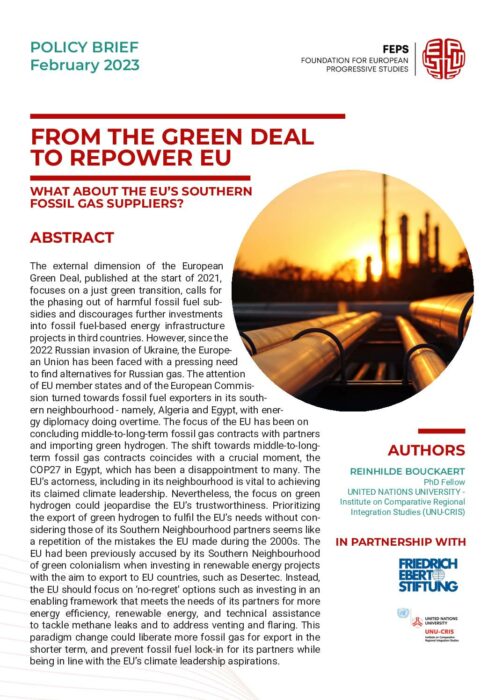
The EU’s external dimension of the green deal published at the start of 2021 focuses on a just green transition, calls for the phasing out of harmful fossil fuel subsidies and discourages further investments into fossil fuel-based energy infrastructure projects in third countries. However, since the invasion of Russia in Ukraine one year later, the European Union has been wrestling to find alternatives for Russian gas.
The attention of the Member States and the European Commission turned towards its fossil fuel exporters Algeria and Egypt, with energy diplomacy doing overtime. The focus of the EU has been on
1) agreeing middle to long term fossil gas contracts
2) importing green hydrogen
This shift towards middle to long term fossil gas contracts could have an impact at a crucial moment, with the COP27 in Egypt being a disappointment to many. The EU’s actorness, including in its neighbourhood, is vital to achieve its claimed climate leadership and convincing others to follow. Also the focus on green hydrogen could jeopardise the EU’s trustworthiness.
Focusing on the export of green hydrogen for its own needs before having fulfilled the renewable energy needs of its Southern Neighbourhood partners seems to repeat the mistakes the EU made during the 2000s. The EU had been accused by its Southern Neighbourhood of green colonialism when investing in renewable energy projects such as Desertec in its South for export to the EU. Instead the EU should focus on ‘no regret’ options such as investing in an enabling framework to fulfil its fossil fuel exporting partners needs of more energy efficiency and renewable energy, as well as technical assistance to tackle methane leaks and to address venting and flaring. This could liberate more fossil gas for export in the shorter term, prevent fossil fuel lock-in for its partners while being in line with its climate leadership role.
Network
Related publications
Find all related publications
Publications
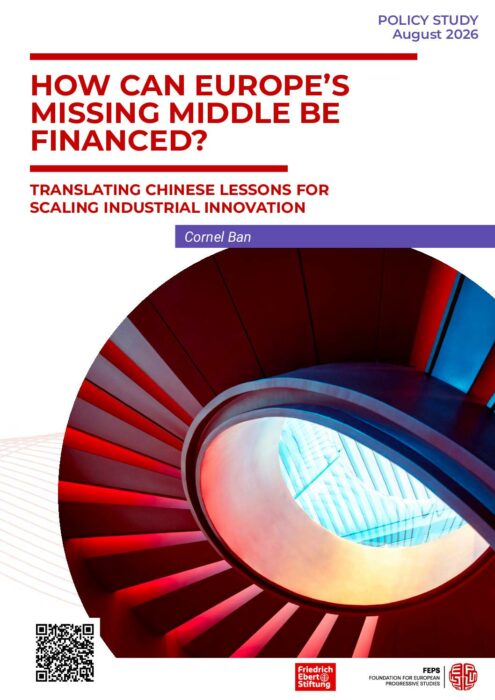
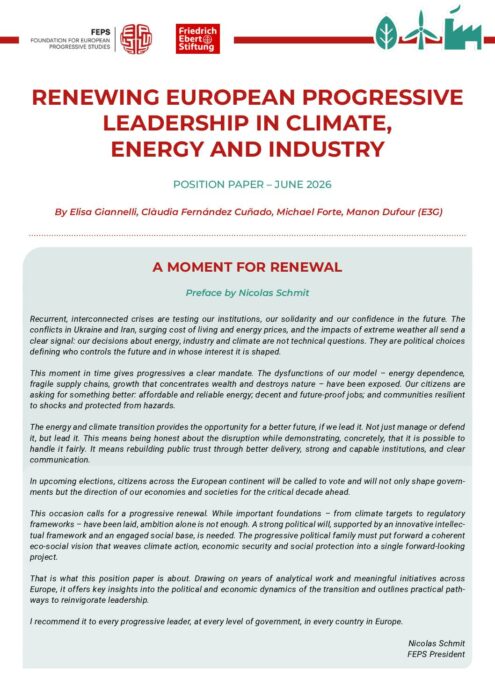
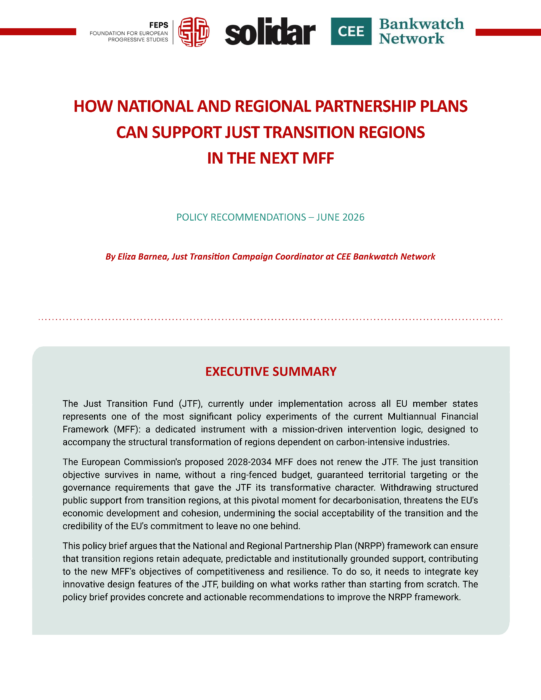
Find all related Progressive Post
Progressive Post
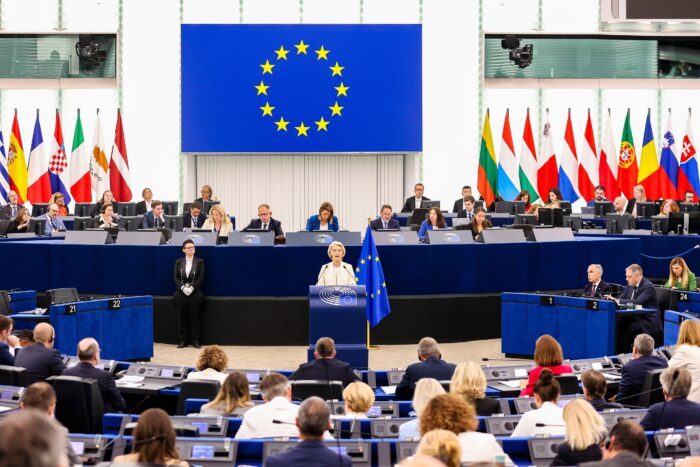

Find all related events
Events
Find all related Audiovisual
Audiovisual
28/08/2026
28/08/2026

09/04/2026

25/03/2026
Find all related news
News

Find all related in the media
In the media
“Money is coming! Will Péter Magyar deliver on his promise?”
Video Interview published on KlikkTV (HU), featuring László Andor, FEPS Secretary General, discussing EU funds to Hungary, their political conditionality, and the importance of fair distribution, rule of law and social investment within the European Union.
España los forma, Europa los contrata: así es el mapa de la nueva fuga de cerebros
by El Confidencial 10/02/2026
“Back to the Future: The Great Reset”
Opinion article by FEPS Vice-President, Lina Gálvez reflecting on the current global crisis marked by rising authoritarianism, digital power and extreme inequality, and tracing its roots through a historical analysis of capitalism — from the post-1945 social and geopolitical settlement led by social democratic forces, through neoliberal financialisation, to what she describes as a new phase of fascist capitalism.
“What will the EU develop from now on?”
Analysis by FEPS Secretary General László Andor in Portfolio (HU), highlighting the new MFF’s shift toward increasing EU own-resources, boosting funding for strategic domains like defense, stabilisation and competitiveness, and calling for a flexible crisis-response mechanism such as the proposed Emergency Crisis Response Mechanism