
12/12/2025
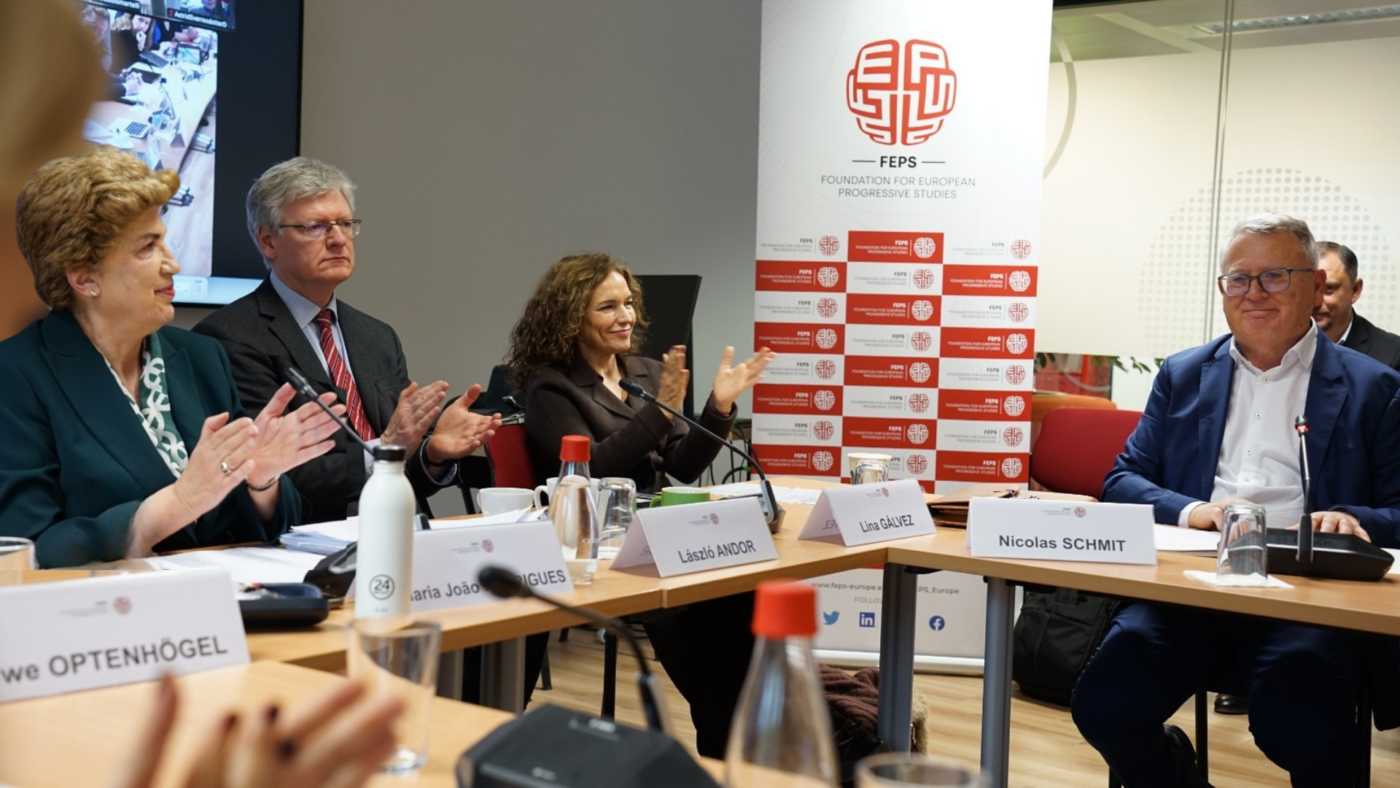
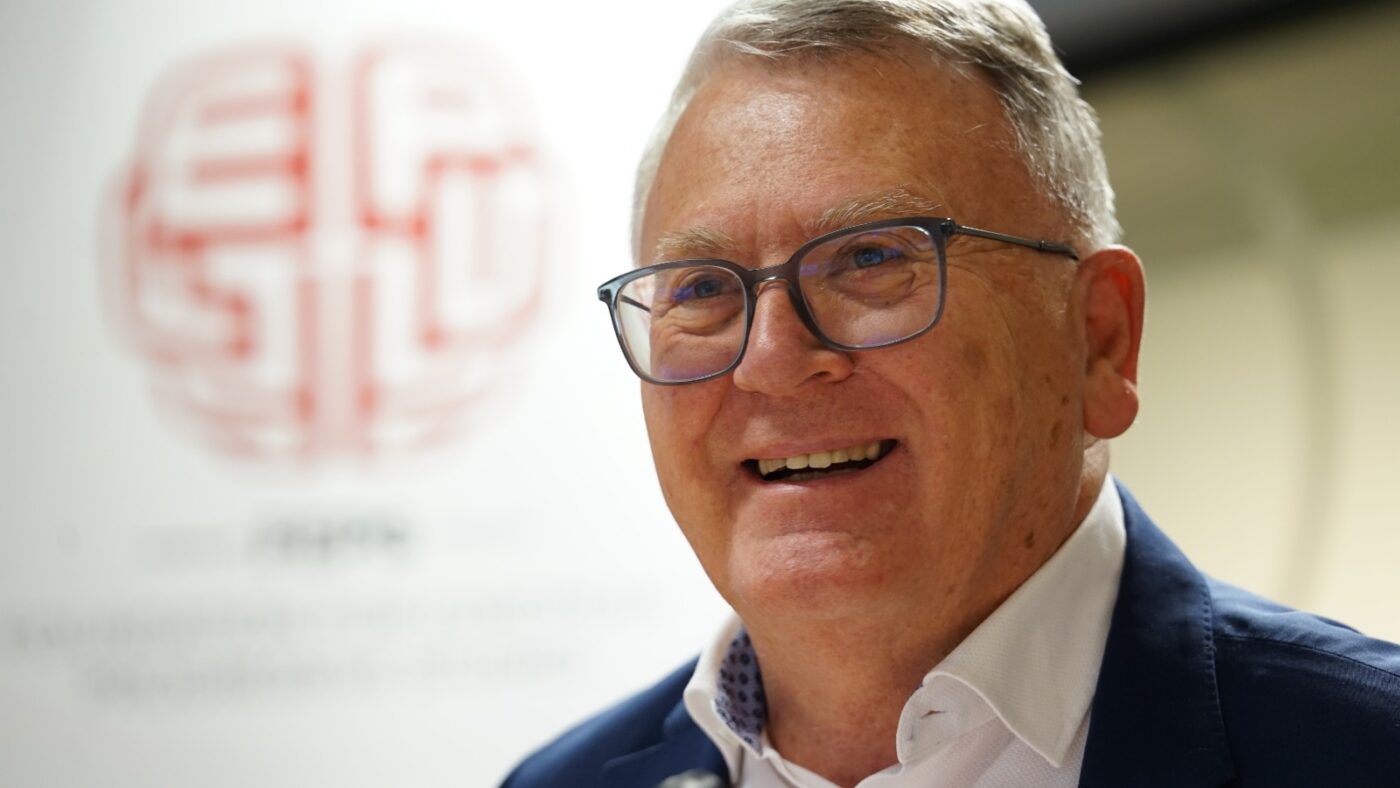
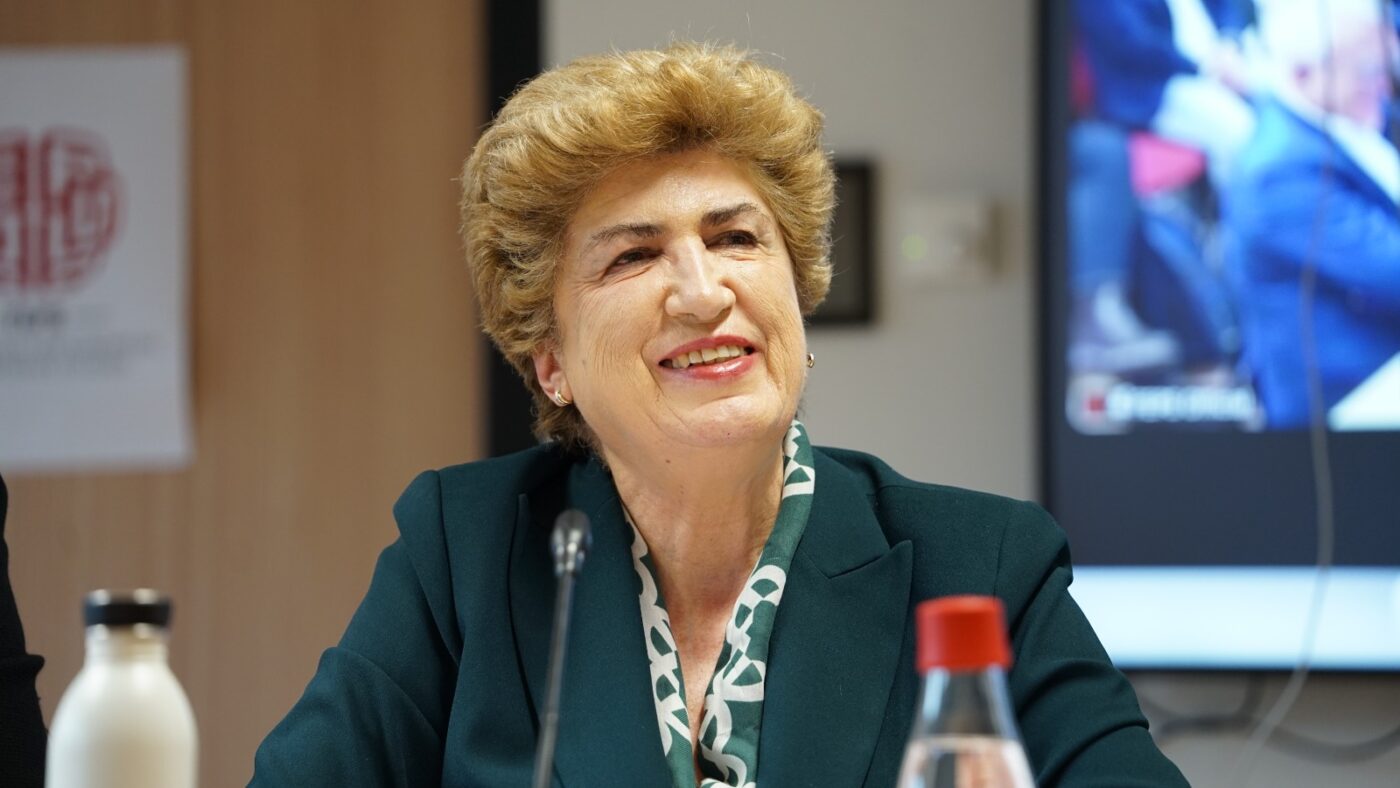
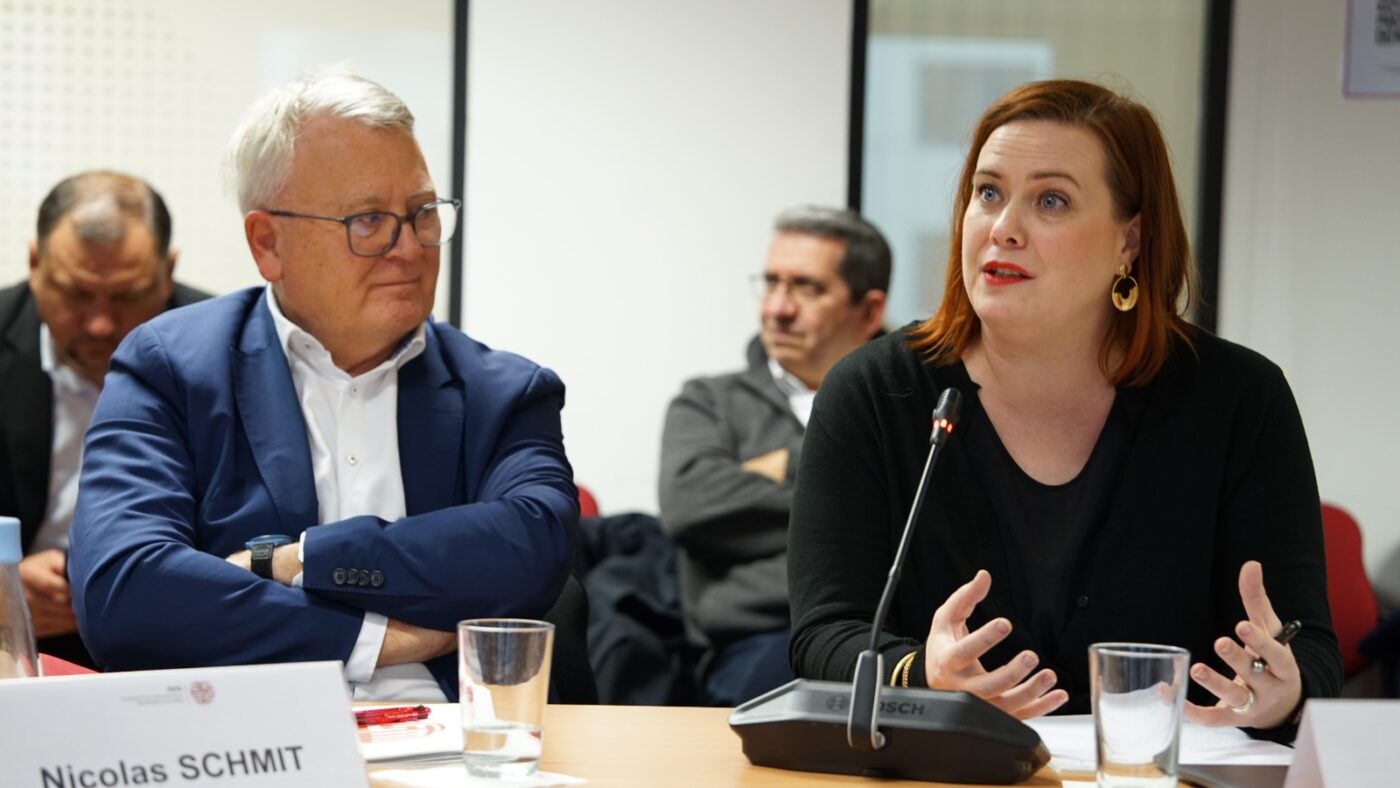
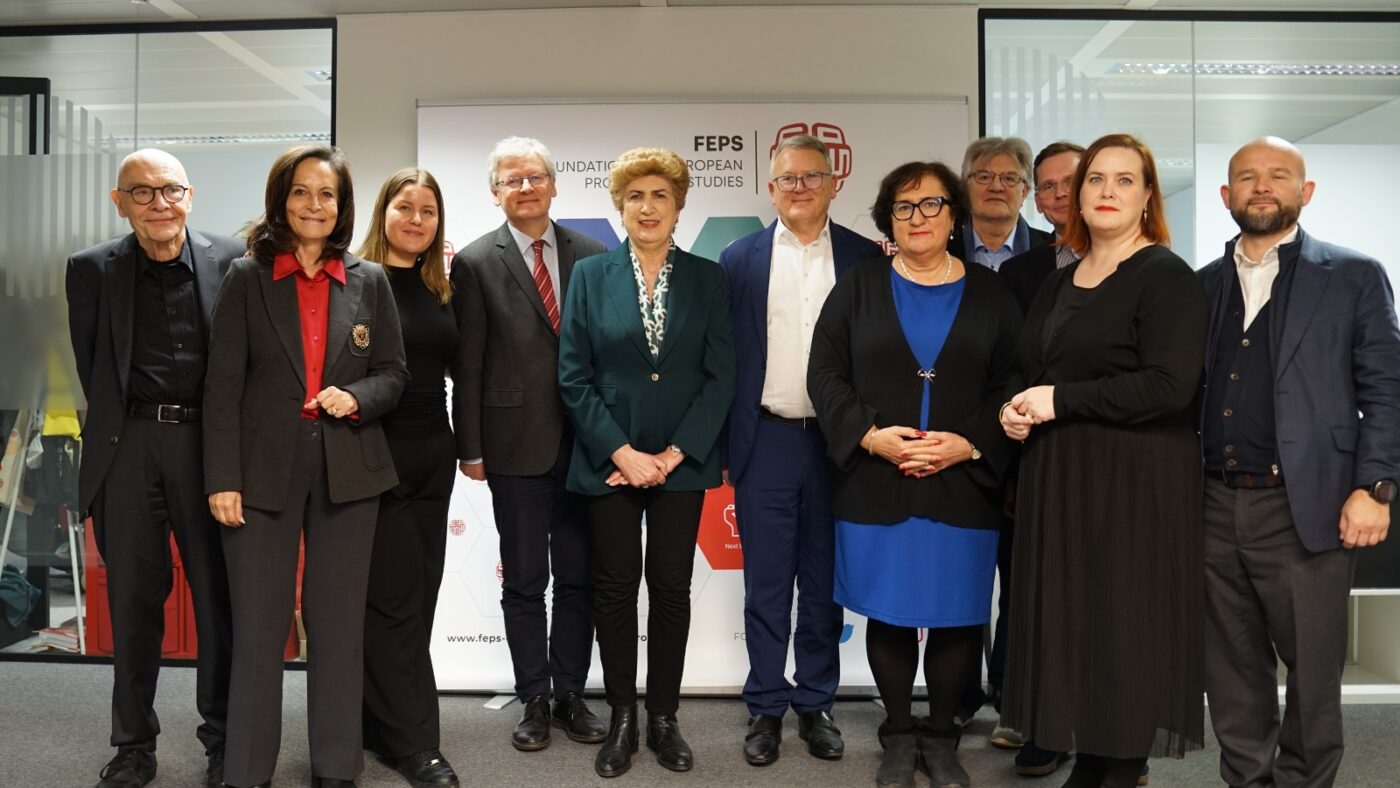
On 12 December, the FEPS General Assembly elected Nicolas Schmit as the new FEPS President. After eight years in the role, outgoing President Maria João Rodrigues requested to be replaced, considering her mission accomplished.
Nicolas Schmit, former Commissioner for Jobs and Social Rights, was elected to the position of President during the Extraordinary General Assembly. A strong believer in the core values on which the EU is built, he is committed to strengthening FEPS’s unique role in shaping policies at both European and local levels.
Schmit emphasised FEPS’ special role in serving social democratic ideals and producing high-quality empirical knowledge on the topics that are imperative to the social democratic agenda. A task that FEPS brilliantly carries out thanks to its impressive academic network and member foundations.
As FEPS’s new President, Schmit intends to draw on his experience as a frontline policymaker to confront the threats to Europe’s democracy and social model posed by the far right and traditional conservatives. Responding to these challenges requires a clear, strong and united response from the progressive political family. A response that sets priorities in line with ongoing political debates and puts forward concrete solutions embedded in a vision of a better society: equality at all levels, social justice and solidarity, democracy and participation, environmental sustainability, international cooperation, human rights and peace.
After completing eight years in the role of FEPS President, Maria Joâo Rodrigues requested to be replaced after she had accomplished her mission of building up a sound, strategic and professional management system, making FEPS the central think tank of the European progressive family, which collaborates with think tanks and partners across Europe and the world.
Rodrigues moves to a new position and roles, citing the challenging global geo-political context.
“The current radical change of context with the aggression against Ukraine by Putin’s Russia and the undermining of multilateral governance by Trump’s US – which promotes a tech oligarchy and supports the far-right – requires higher international progressive coordination and stronger European resolve to build its own capacities, particularly on the digital front. Otherwise, our basic democratic sovereignty will be lost.”
FEPS’ General Assembly also saw the election of Kaisa Vatanen, Chief Officer at Datapraxis, as Vice-President following Maria Maltschnig’s departure.
FEPS will continue its work in promoting knowledge and publishing research on the most pivotal topics challenging progressives globally, through an esteemed network of academics, experts and policymakers, via books, policy studies, policy briefs, the Progressive Post magazine and events.
The handover ceremony will take place on 29 January, coinciding with FEPS’ traditional New Year Reception and the launch of the Progressive Yearbook 2026, which will also see the celebration of the Progressive Person of the Year. FEPS awards the title of Progressive Person of the Year to social democratic leaders and personalities who contributed to the most important progressive policy initiatives of the past year. Previous recipients include Frans Timmermans, Sanna Marin, Roberto Gualtieri and Teresa Ribera.
Find all related publications
Publications
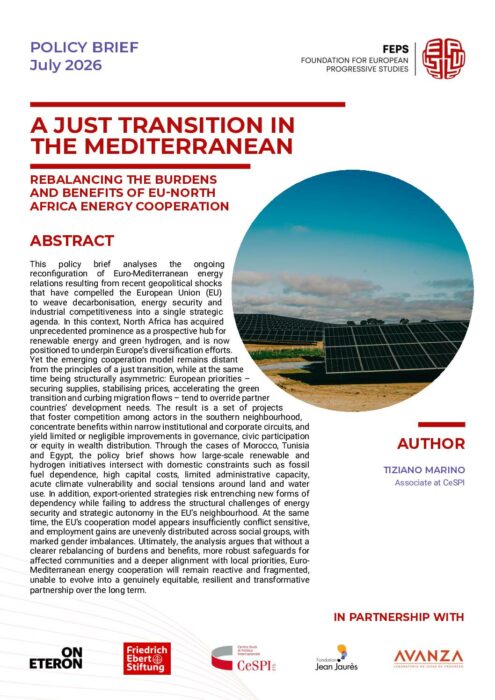
Find all related Progressive Post
Progressive Post
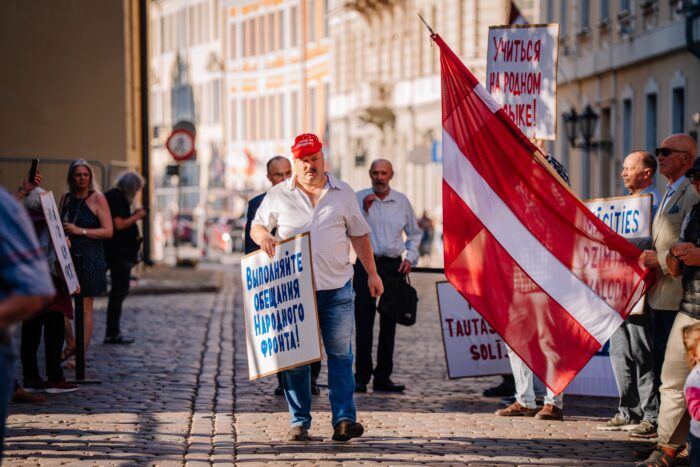
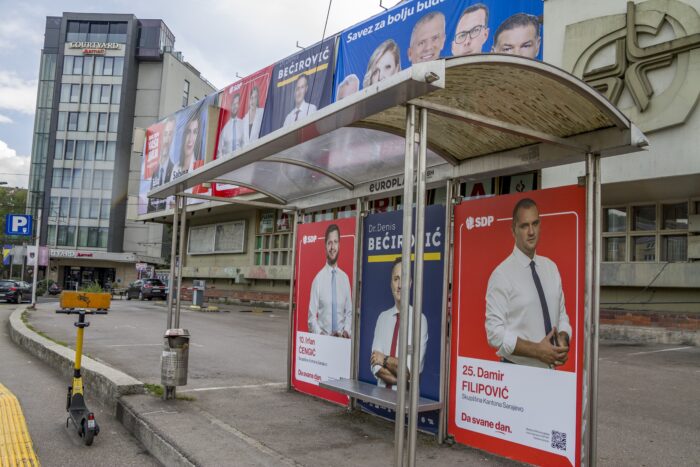

Find all related news
News
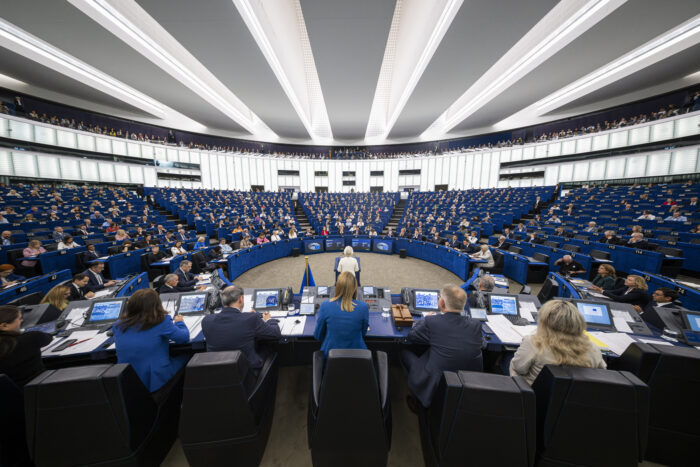

Find all related in the media
In the media
La Regina, il problema dei divari territoriali è una questione europea
by Regione Basilicata 22/09/2026
“Von der Leyen’s Canadian gambit”
Opinion article by László Andor, FEPS Secretary General, published in Racin.mk (MK), analysing the EU’s growing rapprochement with Canada, the shift from geopolitics towards geoeconomics, and the need for Europe to reduce its dependence on the US while strengthening multilateralism. Andor also examines the Commission’s economic and social priorities, highlighting the need for stronger attention to living costs, labour and social policy.
Biztonságpolitika? Az a NATO dolga – EU-s biztosok értékelték Ursula von der Leyen beszédét
by Telex 21/09/2026