
Download
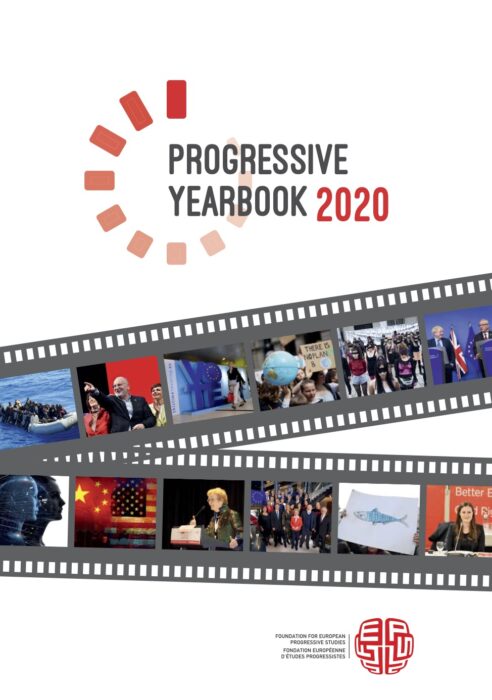
Progressive Yearbook 2025
Book
29/01/2025

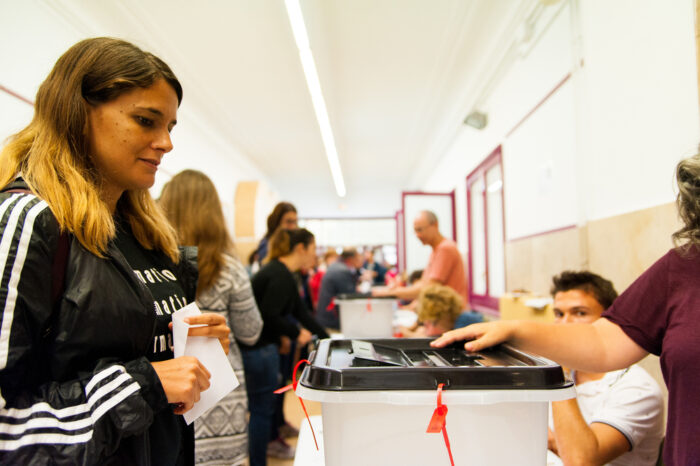
2024 was announced as a ‘super election’ year. In fact, about half of the world’s population in 72 countries, from the United States to the European Union and further to India, went to the polls to elect new parliaments or presidents. This outstanding celebration of democracy, however, resulted in the advancement of reactionary or even extremist forces in many of the countries involved. Hence, for Progressives, the world being shaped is one that requires, more than ever, deep reflection on the reasons for the electoral shortcomings, a drive to innovate and cope with this changing political landscape, and the will to keep fighting for our values and ideals.
In this sixth edition of the Progressive Yearbook, FEPS offers analyses of the electoral results in the EU and the US, as well as of some of the political developments in the European continent and beyond, in particular on the war fronts in the European neighbourhood, Ukraine and the Middle East. We focus on divisive issues such as the common agricultural policy and migration. We look at how the new Labour government in the UK will impact the relations with the EU and at the state of social democratic forces in two EU member states: Croatia and Germany.
Finally, we will try to understand, based on current trends, what the near future holds for European Progressives and the EU’s integration project.
With the mission of looking back to look ahead, the Progressive Yearbook focuses on transversal European issues that have left a mark on the previous year, and brings forward-looking analyses of the key political developments of the year ahead. It symbolises FEPS’ readiness to put these issues into perspective.
Find here the different chapters!
Table of content
Foreword. Bravery in the new world
LOOKING BACK
European chronology 2024
European Progressive Observatory 2024. Lessons from Europe. By James Booth and Kaisa Vatanen
Deconstructing Draghi: Europe’s quest for investment and growth. By László Andor
PROGRESS IN EUROPE
The quarter of a century mark. By Ania Skrzypek
Progressive Person of the Year
Reconnecting with our core values to engage with people. By László Andor interviews Gintautas Paluckas
BIG ISSUES
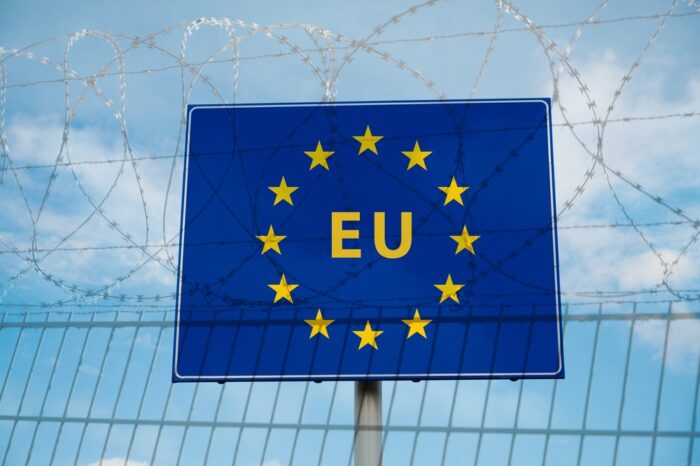
Was 2024 historic for European migration policies? By Hedwig Giusto
The farmer protests in the EU. By Alan Matthews
The UK-EU relationship after Brexit: What difference does. Labour make in power? By Patrick Diamond
NATIONAL FOCUS
Croatia: No country for the working class. By Karolina Leaković
German politics in 2024: (Even more) turbulence ahead. By Christian Krell
GLOBAL FOCUS
A UN Pact for the Future against national retrenchment and global disorder. By Maria João Rodrigues
A Trump encore: The United States and the transatlantic bond. By Vassilis Ntousas
The Middle East in 2024: A test of progressive principles and values. By Tomáš Petříček
PREDICTIONS 2025
Working towards a more democratic and decisive EU: With or without treaty change? By Lucy Kinski and Gilles Pittoors
The future of the EU budget, 2028-2034. By Giacomo Benedetto
The future of the Green Deal: Stability, coordination and investments. By Mohammed Chahim
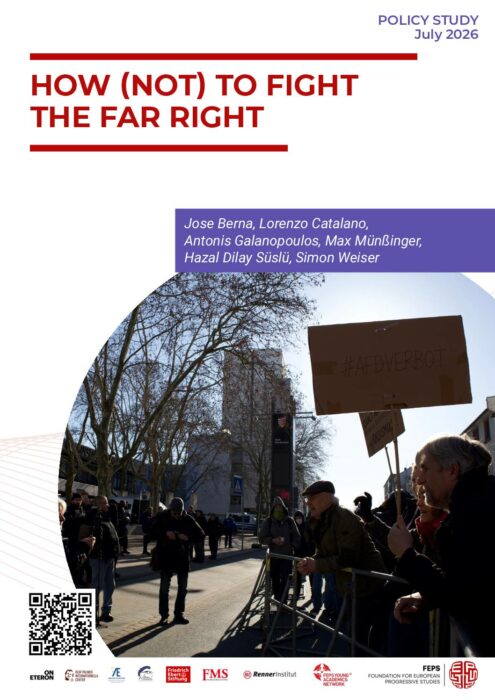
The endurance and stability of the far right in Europe. By Daphne Halikiopoulou
Will the war in Ukraine end in 2025 and under what terms? By Christos Katsioulis
India’s international stance. By Rajeswari Pillai Rajagopalan
BIOGRAPHIES
The book was launched at the New Year reception that took place at FEPS HQ on 29 January.
Related publications
Related events

Find all related publications
Publications
Find all related Progressive Post
Progressive Post
Find all related events
Events
Upcoming
Past
21/09/2026
Online (expert meeting)
18/09/2026
Online
Load more...
Find all related Audiovisual
Audiovisual
21/09/2026
28/08/2026
28/08/2026
20/07/2026
Find all related news
News

Find all related in the media
In the media
“A civic revolution, not yet a social revolution”
Interview with László Andor, FEPS Secretary General, published by Fondation Jean-Jaurès (FR), analysing the electoral defeat of Viktor Orbán, the emergence of a broad opposition movement in Hungary, and the prospects for democratic renewal, EU relations and social change following what he describes as a “civic revolution” that has yet to deliver a social transformation.
“Money is coming! Will Péter Magyar deliver on his promise?”
Video Interview published on KlikkTV (HU), featuring László Andor, FEPS Secretary General, discussing EU funds to Hungary, their political conditionality, and the importance of fair distribution, rule of law and social investment within the European Union.